The Complete Guide to Smart Wallets: How to Choose the Best One for You

Discover Ekster smart wallets with RFID-blocking, quick-access cards, and tracking tech. Sleek, secure, and minimalist designs for modern everyday carry.
The concept of the wallet has remained largely unchanged for generations: a simple container for cash and cards. However, as our lives become more integrated with technology, so do our accessories. The rise of digital payments and minimalist lifestyles has paved the way for a new generation of everyday carry items. Among the most transformative are smart wallets, a category of products designed for security, efficiency, and modern aesthetics.
But what exactly makes a wallet "smart"? It is more than just a slim profile. It involves advanced materials, integrated technology, and thoughtful design that solves real-world problems like digital theft and loss. This guide will provide an expert overview of smart wallet technology, explain the key features to look for, and help you choose the best option for your needs. We will cover everything from RFID protection to tracking capabilities so you can make an informed decision.
Understanding the Evolution of the Wallet
To appreciate the innovation of smart wallets, it is helpful to understand the limitations of their predecessors. Traditional bifold wallets, often made of leather, were built for an era when cash was king. Their design encourages bulk, leading to uncomfortable pocket bulge and even potential back problems for those who carry them in a rear pocket. More importantly, they offer no defense against modern security threats.
Smart wallets address these shortcomings by re-imagining the wallet's function from the ground up. They are built for a card-centric world, prioritizing quick access, robust security, and a minimalist footprint. This evolution is driven by several core technologies.
Buy Now
Core Features of Modern Smart Wallets
Not all slim wallets are smart. True smart wallets incorporate specific technologies to enhance functionality. Here are the key features that define the category.
1. RFID-Blocking Technology
Radio-Frequency Identification (RFID) is the technology that enables contactless payments. While convenient, it also creates a vulnerability. Thieves can use handheld scanners to read credit card information from a short distance without ever touching your wallet.
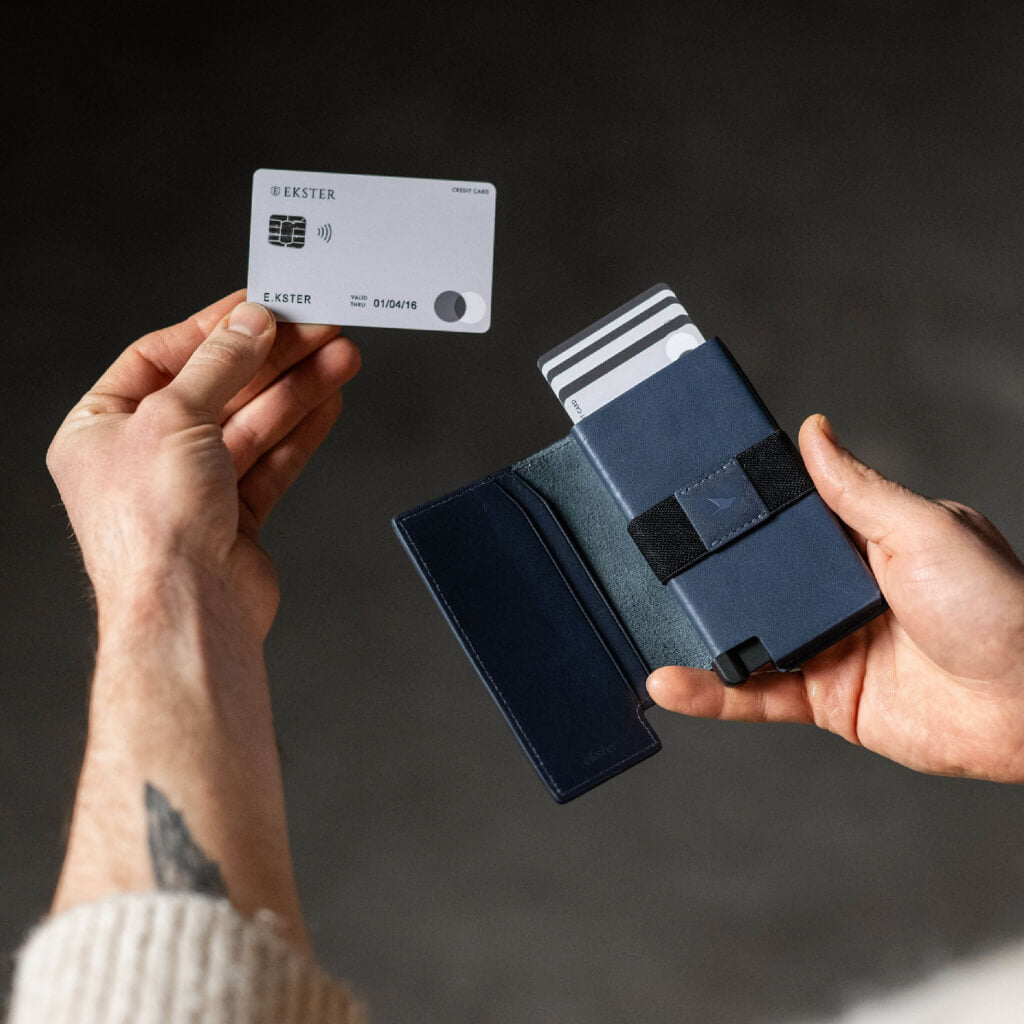
A primary feature of smart wallets is RFID-blocking capability. They are constructed with materials that create a protective shield, often called a Faraday cage, around your cards.
-
- How it works: Materials like aluminum, carbon fiber, or specially coated fabrics block the electromagnetic fields that RFID scanners use to communicate with your cards.
- Why it matters: This technology prevents digital pickpocketing, ensuring your financial data remains secure. When shopping for a smart wallet, look for confirmation that it offers RFID protection.
- How it works: Materials like aluminum, carbon fiber, or specially coated fabrics block the electromagnetic fields that RFID scanners use to communicate with your cards.
2. Quick-Access Mechanisms
One of the most satisfying innovations is the mechanical card-access feature. Fumbling through tight leather slots is a common frustration with traditional designs. Smart wallets solve this with elegant engineering.
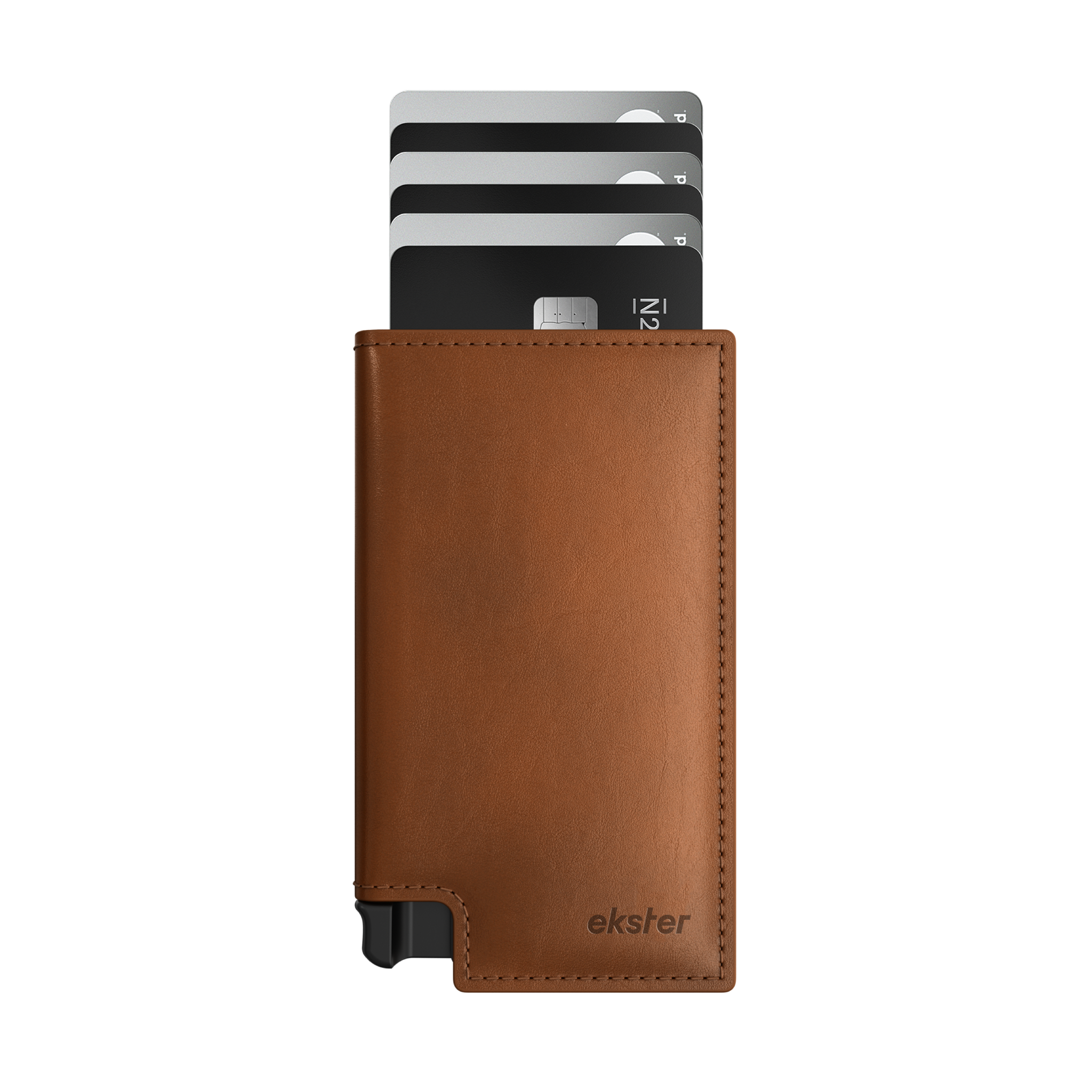
Many popular models, such as those from Ekster, feature a button-activated mechanism. When triggered, it pushes your cards up and fans them out, allowing you to easily identify and select the one you need. This not only saves time but also reduces wear and tear on your cards.
3. Integrated Tracking and Connectivity
Losing a wallet is a stressful experience. The most advanced smart wallets address this with built-in tracking technology. This is often achieved through a credit-card-sized tracker that fits inside the wallet.
These trackers typically connect to a smartphone app via Bluetooth and offer several benefits:
-
- Ring to Find: You can make your wallet emit a sound from your phone, helping you locate it when it’s nearby.
- Last Known Location: If you leave your wallet behind, the app will record the last place it was connected to your phone on a map.
- Separation Alerts: Some systems can notify you if you walk away and leave your wallet behind.
- Ring to Find: You can make your wallet emit a sound from your phone, helping you locate it when it’s nearby.
Brands like Ekster have trackers that integrate with global finding networks like Apple’s Find My, leveraging millions of devices to help locate a lost item.
Buy Now
How to Choose the Right Smart Wallet for You
With a growing market, selecting the right smart wallet depends on your personal needs and lifestyle. Use this checklist to guide your decision.
Step 1: Assess Your Carry Style
First, consider what you carry every day.
-
- Minimalist: If you only carry a few essential cards and occasionally some cash, an ultra-slim metal cardholder is an excellent choice. These offer maximum security in the smallest possible form factor.
- Traditionalist: If you prefer the classic feel of leather but want modern features, look for a hybrid model. Some brands offer leather bifolds that incorporate an RFID-blocking cardholder and quick-access mechanism.
- Tech Enthusiast: If you value connectivity and peace of mind, prioritize a wallet that is compatible with a high-quality tracker card.
- Minimalist: If you only carry a few essential cards and occasionally some cash, an ultra-slim metal cardholder is an excellent choice. These offer maximum security in the smallest possible form factor.
Step 2: Compare Materials and Durability
The material of a smart wallet affects its look, feel, and longevity.
-
- Aluminum: Lightweight, durable, and provides excellent RFID blocking. It has a modern, industrial aesthetic.
- Carbon Fiber: Extremely strong and lightweight, offering a premium, high-tech look. It is often more expensive.
- Premium Leather: For those who love a classic look, many brands use environmentally certified leathers that are bonded to RFID-blocking materials. This combines timeless style with modern security.
- Aluminum: Lightweight, durable, and provides excellent RFID blocking. It has a modern, industrial aesthetic.
Step 3: Evaluate Capacity and Functionality
Be realistic about how many cards you need to carry. Most smart wallets are designed to hold between 4 and 12 cards. Overstuffing them can damage the mechanism or the wallet itself. Also, check how the wallet handles cash. Most use an external strap or an internal clip, which is best for a few folded bills.
Step 4: Consider Sustainability
As consumers become more environmentally conscious, so do brands. Many leading smart wallet companies are now B-Corp certified, which means they adhere to strict standards of social and environmental responsibility. They may use recycled materials or source leather from tanneries with high environmental ratings. Supporting these brands allows you to invest in a product that aligns with your values.
The Future of Everyday Carry
The smart wallet is more than a trend; it represents a fundamental shift in how we approach our daily essentials. It combines physical security with digital intelligence, offering a seamless and worry-free experience. As technology continues to advance, we can expect even more integration, from biometric security to more advanced location services.
By understanding the core technologies and evaluating your own needs, you can confidently choose a smart wallet that not only protects your assets but also streamlines your life.
Frequently Asked Questions (FAQ)
What is the difference between a slim wallet and a smart wallet?
A slim wallet is simply a wallet with a thin profile. A smart wallet, however, incorporates technology, such as RFID-blocking materials, a quick-access mechanism, or tracking capabilities, to provide enhanced security and convenience.
Can the magnet in a wallet damage my credit cards?
This is a common misconception. The magnetic strips on modern credit cards are quite robust and are not easily damaged by the small magnets used in some wallets. EMV chips are not affected by magnets at all.
How effective is RFID-blocking technology?
When implemented correctly with the right materials, RFID blocking is highly effective. It creates a shield that prevents unauthorized scanners from reading the data on your contactless cards, protecting you from digital theft.
Are smart wallets worth the investment?
For many people, yes. While they can be more expensive than traditional wallets, the investment provides significant value through enhanced security, time-saving convenience, and long-lasting durability. The cost of replacing a lost wallet or dealing with fraud often far exceeds the price of a quality smart wallet.
Do all smart wallets require charging?
No. The wallet itself does not require power. Only the optional tracker card needs to be charged. Many modern trackers, like Ekster's, are solar-powered and can hold a charge for months after just a few hours of light exposure.
Recent Blogs
-

Best Ebanel Products for Acne Scars: A Practical Buyer's Guide
Compare the best Ebanel products for acne scars, from Scar Master to AHA/BHA peeling gel, and find the right option for fading marks, treating breakouts, and improving skin texture.
-
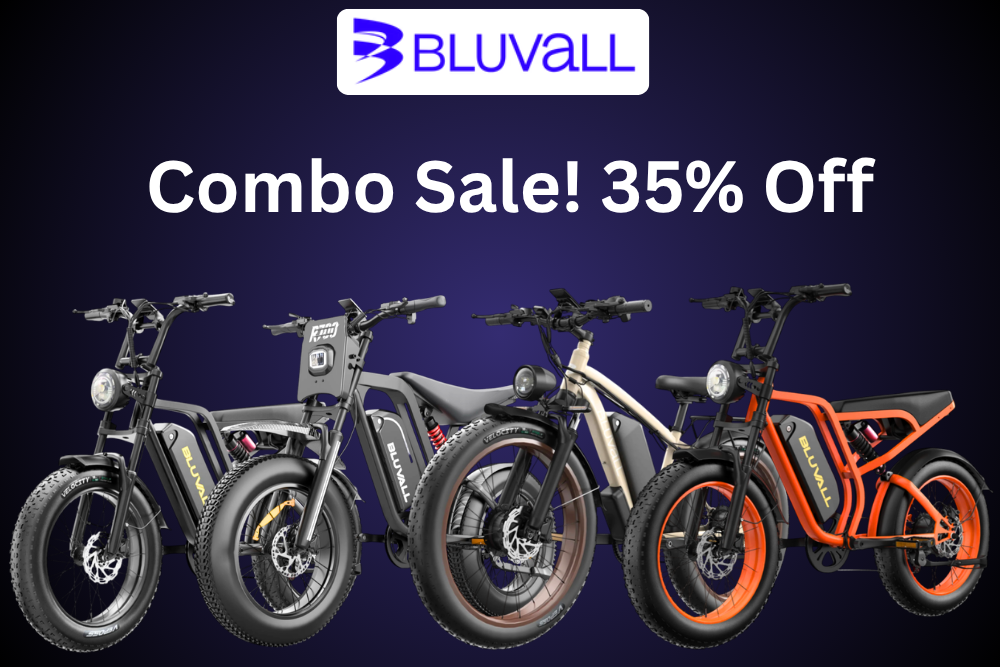
BLUVALL eBike Review: Power, Range, and Real Value Under $1,000
Explore this BLUVALL eBike review to compare the R700, SU8, K10 Trail, and B1 Pro, with key specs, real-world benefits, pros, cons, and buying tips.
-
Best LED Light Bars for Trucks: A Practical Buyer's Guide
Compare the best LED light bars for trucks, from spot and flood beams to combo pods, with practical tips for sizing, mounting, wiring, and choosing Nilight options.
-
Best Wireless CarPlay Adapter: A Buyer's Guide for Daily Drivers
Find the best wireless CarPlay adapter for your daily drive with this guide to Ottocast’s top options, including features, pricing, compatibility, and buying tips.
-
Best Shower Filter: A Practical Buyer's Guide for Cleaner Water
Find the best shower filter for hard water, heavy metals, well water, or a spa-like experience with this practical AquaHomeGroup buying guide.