How to Reduce Kitchen Waste: Non-Toxic Food Storage Tips

Reduce kitchen waste with WandP non-toxic glass and silicone storage. Keep food fresher longer, cut plastic use, and build a sustainable zero-waste kitchen.
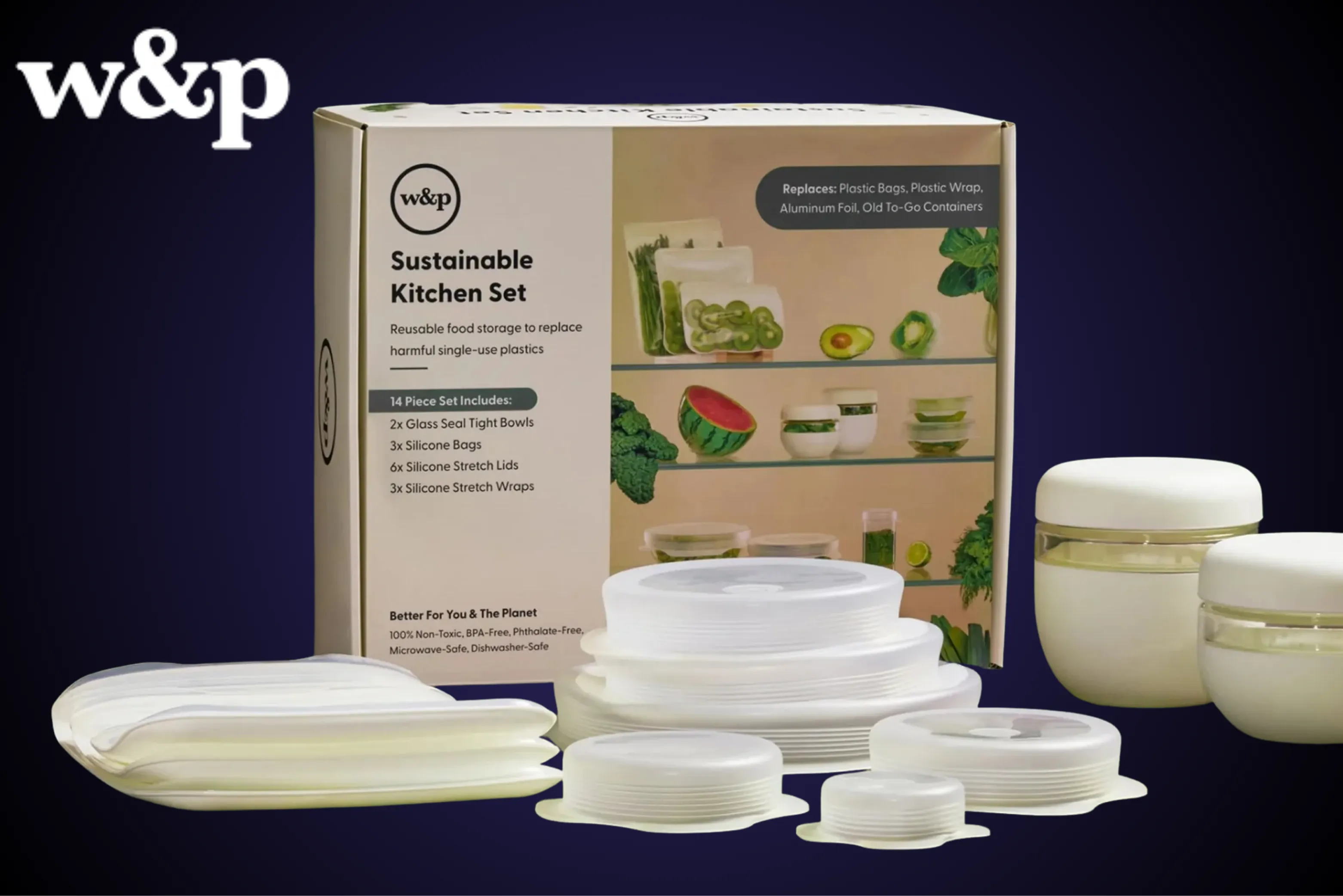
Every year, the average American household throws away nearly a third of the food it buys. That’s hundreds of pounds of produce, leftovers, and pantry staples heading straight to the landfill, often still wrapped in the very plastic that was supposed to preserve them. It’s a double-edged sword: wasted money and resources on one side, and a growing mountain of single-use plastic pollution on the other.
But the impact isn't just environmental. It's personal. The way we store our food directly affects its longevity, nutritional value, and safety. Traditional plastic containers and wraps can degrade over time, leaching chemicals into our meals and failing to keep air out effectively, leading to faster spoilage.
Reducing kitchen waste isn't about being perfect; it's about making smarter, more sustainable choices. By switching to non-toxic, reusable food storage solutions, you can significantly extend the life of your groceries, reduce your environmental footprint, and ensure your family is eating safer, fresher food.
In this guide, we’ll explore practical, expert-backed strategies to minimize waste and maximize freshness using non-toxic materials.
The Hidden Cost of Kitchen Waste
Before we dive into solutions, it’s important to understand the problem. Food waste contributes significantly to greenhouse gas emissions. When food rots in a landfill, it releases methane, a potent greenhouse gas. Furthermore, the single-use plastics we use to store that food, cling wrap, sandwich bags, flimsy deli containers, take hundreds of years to decompose, often breaking down into microplastics that contaminate our water and soil.
The Role of "Food Storage Failures"
A significant portion of food waste happens because of improper storage.
-
- Plastic Wrap: Often fails to create an airtight seal, allowing avocados to brown and cheese to harden.
- Stained Containers: Old plastic containers can absorb odors and bacteria, making leftovers unappealing.
- Out of Sight, Out of Mind: Opaque containers hide food, leading to forgotten leftovers that are discovered only after they’ve spoiled.
- Plastic Wrap: Often fails to create an airtight seal, allowing avocados to brown and cheese to harden.
The solution lies in a kitchen ecosystem that prioritizes visibility, airtight seals, and non-toxic materials.
Strategy 1: Switch to Transparent, Non-Toxic Glass and Ceramic
One of the simplest ways to reduce food waste is to see what you have. When leftovers are hidden in opaque tubs, they are easily forgotten. Glass and ceramic storage solutions offer a clear advantage literally.
Why Borosilicate Glass?
W&P’s Seal Tight Glass Bowls are made from borosilicate glass, a material known for its durability and resistance to thermal shock. Unlike standard glass, it won’t crack when moving from the freezer to the microwave.
-
- Visibility: You can see exactly what’s inside, prompting you to eat leftovers before they go bad.
- Safety: Glass is non-porous and chemically inert. It doesn’t absorb smells, stains, or leach BPA and phthalates into hot food.
- Versatility: Cook, store, and reheat in the same vessel, reducing dishwashing water usage and transferring waste.
- Visibility: You can see exactly what’s inside, prompting you to eat leftovers before they go bad.
Eco-Tip: Store prepped veggies (like carrot sticks or bell peppers) in water inside a glass bowl. They stay crisp for days longer than in a plastic bag!
Strategy 2: Embrace Reusable Silicone Instead of Single-Use Bags
Plastic sandwich bags are the definition of "convenience culture" gone wrong. Used for a few hours and then discarded, they clog our oceans and landfills. Reusable silicone bags are the sustainable evolution of food storage.
The Science of Silicone
High-quality silicone, like the LFGB-certified silicone used by W&P, is a non-toxic polymer made from silica (sand). It is highly durable, flexible, and temperature-resistant.
-
- Airtight Seal: W&P’s Reusable Silicone Bags feature a leakproof seal that locks out air. Oxygen is the enemy of freshness; by removing it, you prevent oxidation and freezer burn.
- Freezer Friendly: Unlike thin plastic that rips, silicone protects food in the deep freeze. Use them to freeze overripe bananas for smoothies or save vegetable scraps for homemade broth.
- Cook-Safe: Silicone is safe for microwave, dishwasher, and even sous vide cooking, making it a versatile tool for zero-waste cooking.
- Airtight Seal: W&P’s Reusable Silicone Bags feature a leakproof seal that locks out air. Oxygen is the enemy of freshness; by removing it, you prevent oxidation and freezer burn.
Strategy 3: Eliminate Cling Wrap with Stretch Lids
Plastic wrap is perhaps the most frustrating and wasteful item in the kitchen. It rarely sticks where you want it to, it’s impossible to reuse, and it creates an imperfect seal.
Reusable Stretch Lids are a game-changer for preserving cut produce and covering open bowls.
-
- Universal Fit: These silicone lids stretch to fit over cans, jars, and bowls of various sizes.
- Direct-to-Food Application: Have half a watermelon or an onion? Stretch a lid directly over the cut side. This creates a vacuum-like seal that keeps the produce moist and fresh far longer than plastic wrap ever could.
- Stackability: The sturdy, flat surface of a stretch lid allows you to stack items in the fridge, optimizing space and organization.
- Universal Fit: These silicone lids stretch to fit over cans, jars, and bowls of various sizes.
The "First-In, First-Out" Method
Even the best storage containers won't help if you don't manage your inventory. Adopt the restaurant industry standard of "First-In, First-Out" (FIFO).
-
- Organize: When unpacking groceries, move older items to the front and place new items in the back.
- Date It: Use a dry-erase marker on your glass containers or silicone bags to write the date you cooked the food.
- Visual Audit: Once a week, scan your clear containers to see what needs to be used up.
- Organize: When unpacking groceries, move older items to the front and place new items in the back.
Why Non-Toxic Materials Matter for Sustainability
Sustainability isn't just about waste; it's about the lifecycle of the product.
-
- Longevity: W&P products are designed to be "infinitely reusable." A single silicone bag can replace thousands of disposable baggies over its lifetime.
- End of Life: Glass and metal are recyclable. High-quality silicone, while not curbside recyclable everywhere, is durable enough that it rarely needs replacing. Conversely, degraded plastic containers often end up in trash bins because they cannot be recycled once contaminated with food or degraded by heat.
- Health as Sustainability: A sustainable lifestyle must be sustainable for you. Reducing your exposure to microplastics and endocrine disruptors (found in many plastics) supports long-term health.
- Longevity: W&P products are designed to be "infinitely reusable." A single silicone bag can replace thousands of disposable baggies over its lifetime.
A Kitchen Built for the Future
Reducing kitchen waste is a journey of small, intentional steps. You don’t need to overhaul your entire pantry overnight. Start by replacing your most wasteful habit, whether that’s cling wrap or sandwich bags, with a high-quality, reusable alternative.
By choosing products like W&P’s sustainable kitchen tools, you aren’t just buying containers; you are investing in a system that respects your food, your health, and the planet. A non-toxic, low-waste kitchen is cleaner, more organized, and ultimately, more joyful to cook in.
Ready to start your journey toward a zero-waste kitchen?
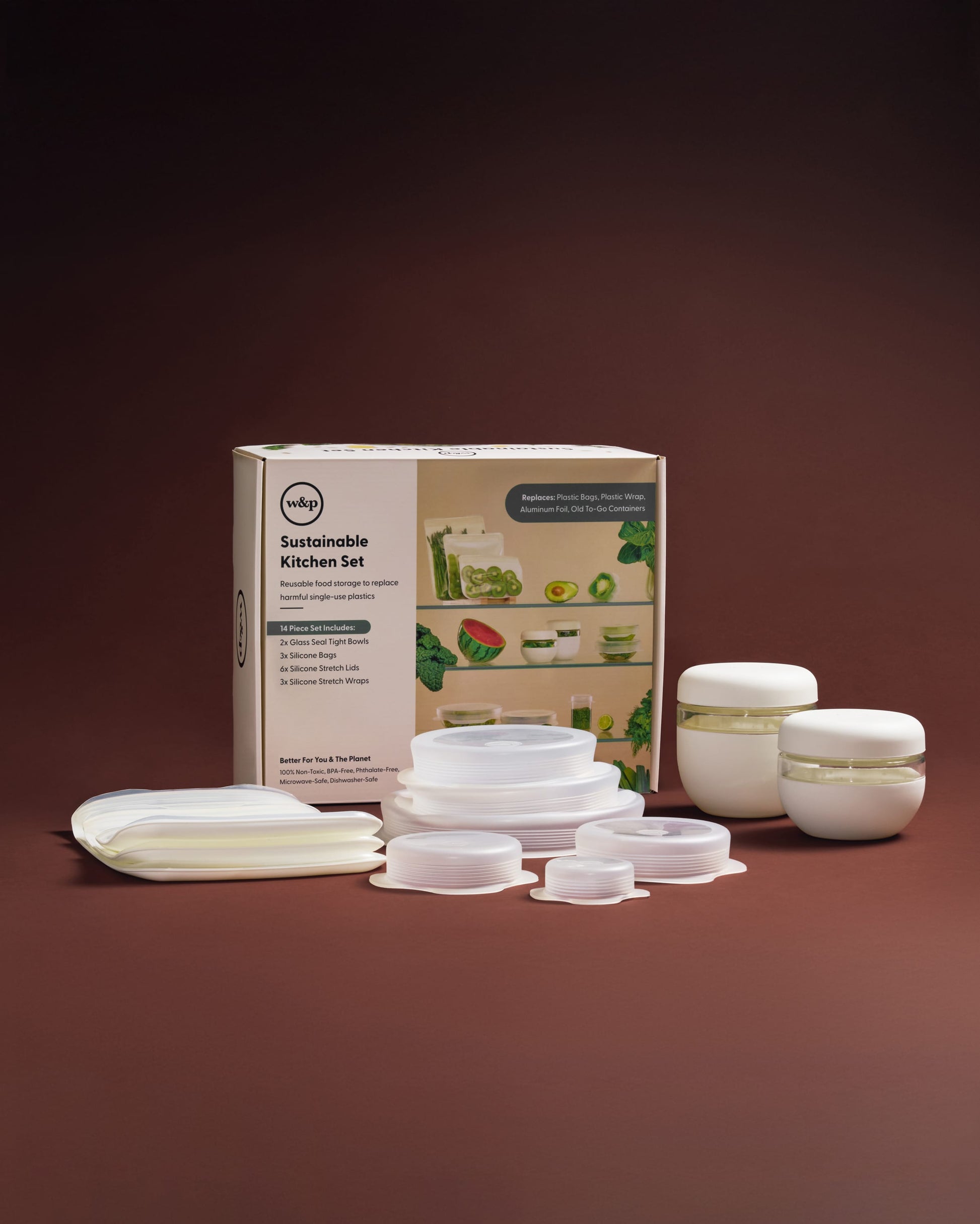
Explore the W&P collection to find the tools that fit your lifestyle.
Frequently Asked Questions (FAQ)
What is the difference between LFGB silicone and FDA silicone?
LFGB is a European standard for silicone that is stricter and more comprehensive than the FDA standard. LFGB silicone goes through more rigorous testing to ensure no chemical fillers or additives leach into food, making it a higher-quality, safer choice for your kitchen.
How do I clean reusable silicone bags to prevent odors?
Because silicone is porous, it can sometimes retain strong odors like onion or garlic. To deep clean, soak the bag in a mixture of 50/50 white vinegar and water, or bake it in the oven at 350°F for 10-15 minutes to "burn off" any lingering smells. Most W&P silicone items are also dishwasher safe.
Can glass containers really help reduce food waste?
Yes. The "out of sight, out of mind" phenomenon is a major contributor to food waste. Clear borosilicate glass ensures you always see your leftovers, reminding you to eat them before they spoil. Additionally, the superior airtight seals on quality glass containers keep food fresher longer than flimsy takeout tubs.
Is it safe to freeze food in glass jars?
Standard glass can crack in the freezer due to liquid expansion. However, borosilicate glass (which W&P uses) is designed to withstand extreme temperature changes. Just be sure to leave about an inch of headspace at the top of the jar to allow liquids to expand as they freeze.
Recent Blogs
-
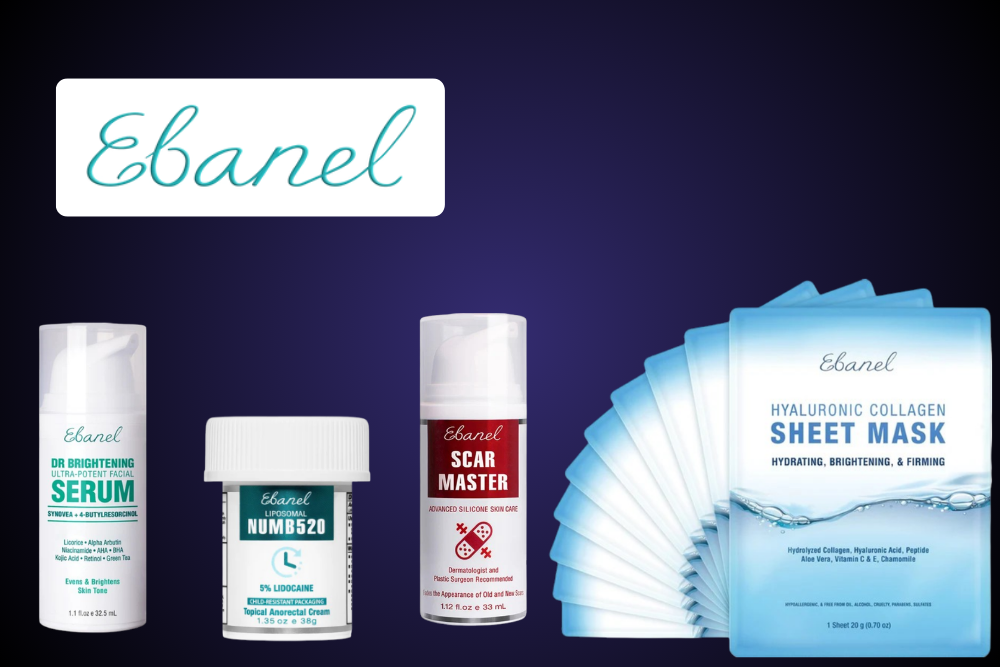
Best Ebanel Products for Acne Scars: A Practical Buyer's Guide
Compare the best Ebanel products for acne scars, from Scar Master to AHA/BHA peeling gel, and find the right option for fading marks, treating breakouts, and improving skin texture.
-

BLUVALL eBike Review: Power, Range, and Real Value Under $1,000
Explore this BLUVALL eBike review to compare the R700, SU8, K10 Trail, and B1 Pro, with key specs, real-world benefits, pros, cons, and buying tips.
-

Best LED Light Bars for Trucks: A Practical Buyer's Guide
Compare the best LED light bars for trucks, from spot and flood beams to combo pods, with practical tips for sizing, mounting, wiring, and choosing Nilight options.
-

Best Wireless CarPlay Adapter: A Buyer's Guide for Daily Drivers
Find the best wireless CarPlay adapter for your daily drive with this guide to Ottocast’s top options, including features, pricing, compatibility, and buying tips.
-
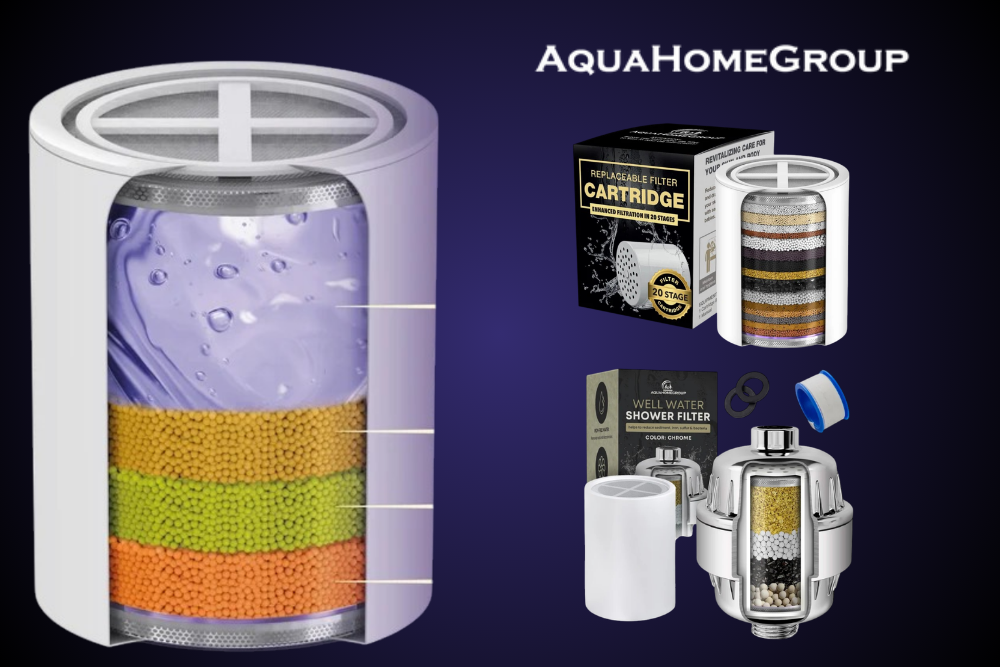
Best Shower Filter: A Practical Buyer's Guide for Cleaner Water
Find the best shower filter for hard water, heavy metals, well water, or a spa-like experience with this practical AquaHomeGroup buying guide.