Understanding Metabolic Health: How Hume Helps You Take Control

Discover how metabolic health affects energy, sleep, focus, and long-term wellness. Learn how Hume Health’s data-driven tools help track body composition, stress, sleep, and daily habits for better health control.
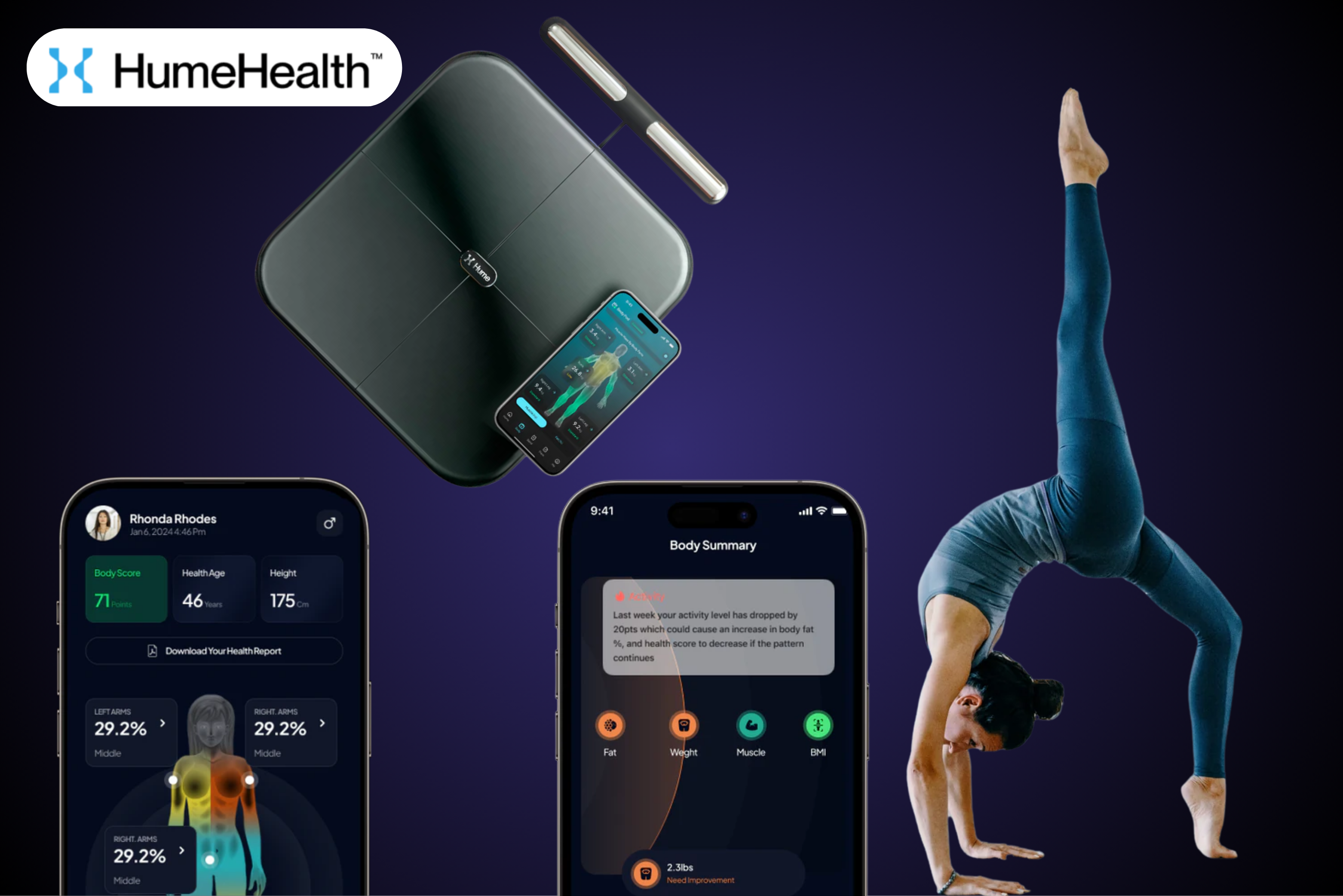
We often talk about "metabolism" in the context of weight loss. Someone has a "fast" metabolism if they can eat whatever they want, or a "slow" one if they struggle to shed pounds. But this simplified view misses the forest for the trees. Metabolic health is not just about how quickly you burn calories; it is the foundation of how your body functions on a cellular level. It dictates your energy levels, your mood, your sleep quality, and your long-term risk for chronic disease.
Despite its importance, metabolic health is frequently misunderstood. Many of us are operating in the dark, making decisions about our diet and lifestyle based on guesswork or generic advice rather than what our unique biology actually needs.
This is where the intersection of science and technology changes the game. By understanding the mechanics of your metabolism and utilizing data-driven tools like Hume Health, you can move from guessing to knowing. This guide will explore what metabolic health truly means, why it matters, and how you can harness the power of data to take control of your future.
What Is Metabolic Health, Really?
At its core, metabolic health refers to how well your body generates and processes energy. It is the result of complex chemical processes that convert the food you eat into the fuel your cells need to function.
When you are metabolically healthy, your body is efficient. It can switch easily between burning carbohydrates (glucose) and burning fat for fuel, a flexibility that is crucial for maintaining stable energy levels throughout the day. Your blood sugar levels stay within a healthy range, your insulin sensitivity is high, and your blood pressure and cholesterol levels are optimal.
However, when this system is disrupted, it leads to metabolic dysfunction. This isn't just about gaining weight. Signs of poor metabolic health can include:
- Chronic fatigue and energy crashes (especially after meals).
- Difficulty concentrating or "brain fog."
- Intense sugar cravings.
- Poor sleep quality.
- Difficulty losing body fat, particularly around the midsection.
Understanding these markers is the first step toward optimization. But to truly optimize, you need to measure.
The Role of Data: Why You Can’t Manage What You Don’t Measure
For decades, healthcare has been reactive. We visit a doctor only when something feels wrong. But true health optimization requires a proactive approach. You need to understand the inputs (nutrition, sleep, movement) and the outputs (how your body responds) in real-time.
This is the philosophy behind Hume Health. It operates on the belief that health is individual. What works for your friend might not work for you because your biometrics are different. Without data, you are essentially flying blind.
The Power of the Feedback Loop
To improve your metabolic health, you need a feedback loop. You need to see the connection between your actions and your data.
- Action: You eat a specific meal or get 8 hours of sleep.
- Data: Your health tracker records the physiological response.
- Insight: You learn whether that action moved you closer to or further from your goals.
Hume Health facilitates this loop by creating an ecosystem that aggregates data from your smart scales, wearables, and health apps. Instead of scattered numbers, you get a coherent narrative about your body.
Explore Now
How Hume Health Fits into the Metabolic Puzzle
Hume acts as a central command center for your metabolic data. By integrating various health metrics, it provides a "Health Score," a single, dynamic number that reflects your overall well-being across five critical pillars: Body Composition, Nutrition, Movement, Sleep, and Stress.
Here is how Hume’s specific tools support metabolic optimization:
1. Beyond Weight: Understanding Body Composition
The number on the scale tells a very limited story. You can lose weight but lose muscle, which is detrimental to your metabolic rate. Conversely, you can maintain weight while losing fat and gaining muscle, which is a massive win for metabolic health. Hume’s integration with smart scales allows for Body Composition Tracking, monitoring muscle mass and body fat percentage. Muscle is metabolically active tissue; the more you have, the better your glucose disposal and resting metabolic rate.
2. Predictive Analytics and Prevention
Hume uses AI to analyze patterns in your health data. It doesn't just report what happened yesterday; it helps identify trends that could indicate potential issues down the road. This aligns with the goal of preventive healthcare, catching a dip in sleep quality or a spike in stress levels before they manifest as a metabolic issue like insulin resistance.
3. Neuroscience-Backed Behavior Change
Knowing what to do is often easier than actually doing it. Hume bridges this gap with Next Level Insights. The platform offers personalized weekly action programs built by neuroscientists designed to help build behaviors that stick. Metabolic health is a marathon, not a sprint; it requires consistent habits, not quick fixes.
Practical Steps to Improve Your Metabolic Health
While technology provides the map, you still need to drive the car. Here are scientifically supported strategies to start optimizing your metabolic health today, all of which can be tracked and refined using the Hume app.
Prioritize Protein and Muscle Mass
Muscle is your metabolic currency. Prioritizing protein intake supports muscle repair and growth. Aim for a protein-rich source at every meal to support satiety and blood sugar stability.
- Hume Tip: Watch your muscle mass trends in the app to ensure your nutrition plan is supporting muscle maintenance.
Optimize Your Circadian Rhythm
Sleep and metabolism are inextricably linked. Poor sleep increases cortisol (stress hormone) and disrupts ghrelin and leptin (hunger hormones), leading to cravings and insulin resistance.
- Hume Tip: Use the sleep tracking integration to correlate your sleep quality with your daily energy levels and stress score.
Move Frequently, Not Just in the Gym
Structured exercise is great, but "NEAT" (Non-Exercise Activity Thermogenesis), the energy you burn tapping your feet, walking to the car, or cleaning the house, plays a huge role in glucose regulation.
- Hume Tip: Sync your wearable to Hume to ensure your daily movement metrics contribute positively to your overall Health Score.
Manage Stress Actively
Chronic stress keeps your body in a "fight or flight" mode, flooding your system with glucose for energy you don't physically need. Over time, this chronically elevated blood sugar can damage metabolic flexibility.
- Hume Tip: Monitor your stress metrics within the Hume ecosystem and use the provided audio sessions for mindfulness and recovery.
The Future is Personalized
The era of one-size-fits-all health advice is ending. We are entering a new phase where technology empowers us to become the experts on our own bodies. Metabolic health is complex, influenced by a web of factors unique to you.
Tools like Hume Health simplify this complexity. They translate the language of your biology into clear, actionable insights. By combining the power of science-backed data with consistent lifestyle changes, you aren't just tracking your health—you are taking control of it.
If you are ready to stop guessing and start understanding the incredible machine that is your body, exploring a data-driven platform like Hume is the logical next step.
Frequently Asked Questions (FAQ)
What is the difference between metabolic health and metabolism?
"Metabolism" refers to the chemical processes that occur within a living organism to maintain life, primarily the conversion of food to energy. "Metabolic health" is the state of those processes. Having good metabolic health means your body efficiently processes nutrients without huge spikes in blood sugar, inflammation, or insulin.
Can I improve my metabolic health if I am older?
Absolutely. While metabolism can naturally slow slightly with age (often due to muscle loss), lifestyle interventions like strength training, protein intake, and sleep hygiene can significantly improve metabolic markers at any age. Tools like Hume help you track these improvements regardless of where you start.
Do I need a continuous glucose monitor (CGM) to use Hume?
No. While glucose data is valuable, Hume aggregates data from various sources like smart scales and standard wearables (Apple Watch, Fitbit) to build a comprehensive Health Score. It focuses on the holistic picture, including sleep, movement, and body composition.
How does stress affect my metabolic health?
Stress triggers the release of cortisol, which mobilizes sugar into the bloodstream for quick energy. If you are chronically stressed but sedentary (e.g., stressed at a desk job), that sugar isn't used and can lead to insulin resistance and fat storage over time.
Why is body composition more important than BMI?
BMI (Body Mass Index) is a simple calculation of weight divided by height. It does not distinguish between fat and muscle. A person with high muscle mass might have a "high" BMI but be metabolically very healthy. Body composition analysis, which Hume supports, gives a true picture of your metabolic tissue (muscle) versus fat mass.
Recent Blogs
-

Why Viwoods AiPaper is the Best reMarkable Alternative in 2026
Discover why Viwoods AiPaper is considered the best reMarkable alternative in 2026. Explore advanced AI-powered note-taking, distraction-free productivity, paper-like writing, and subscription-free features designed for modern professionals and creators.
-

Top 5 Affordable Dive Watches for Men in 2026
Discover the top affordable dive watches for men in 2026. Compare durable automatic timepieces with premium materials, strong water resistance, and exceptional value for everyday wear and adventure.
-
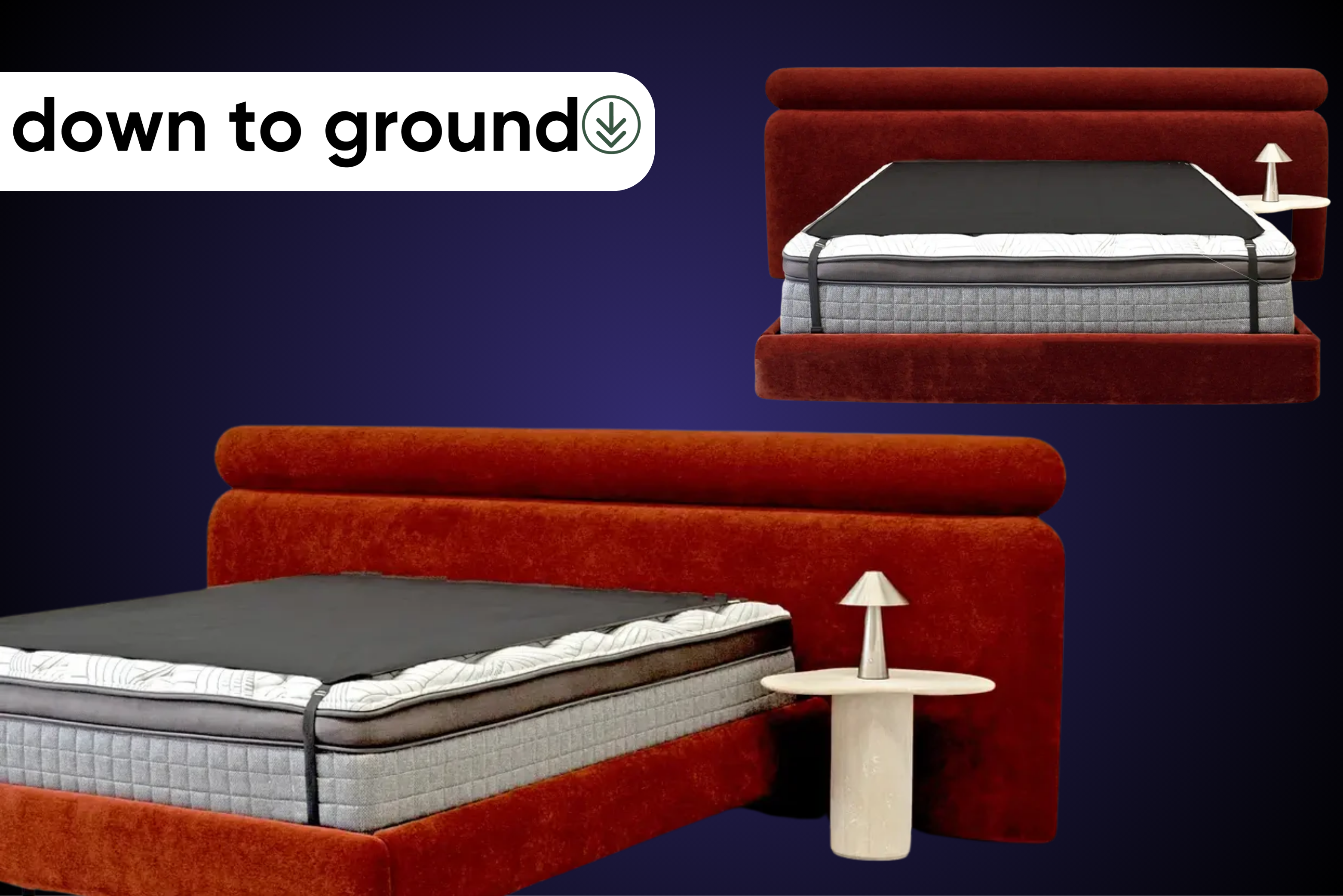
The Ultimate Guide to Choosing the Right Grounding Products
Learn how to choose the best grounding products for your lifestyle and wellness goals. This guide explores grounding sheets, mats, key buying factors, safety tips, and expert advice to help you improve sleep, reduce stress, and support overall well-being naturally.
-

Hands-Free and Stylish: How the GoFree Bum Bag Simplifies Life
Discover how the GoFree Bum Bag by Emmafy combines hands-free convenience with modern style. From busy mornings to travel days, learn how this versatile accessory helps simplify daily life while keeping your essentials secure and accessible.
-
Understanding Metabolic Health: How Hume Helps You Take Control
Discover how metabolic health affects energy, sleep, focus, and long-term wellness. Learn how Hume Health’s data-driven tools help track body composition, stress, sleep, and daily habits for better health control.