Best Engine Model Kit: A Buyer's Guide for Hobbyists and Collectors

Explore the best engine model kits for beginners, collectors, and hobbyists. Compare V8, steam, turbofan, radial, and diesel models to find the right fit.
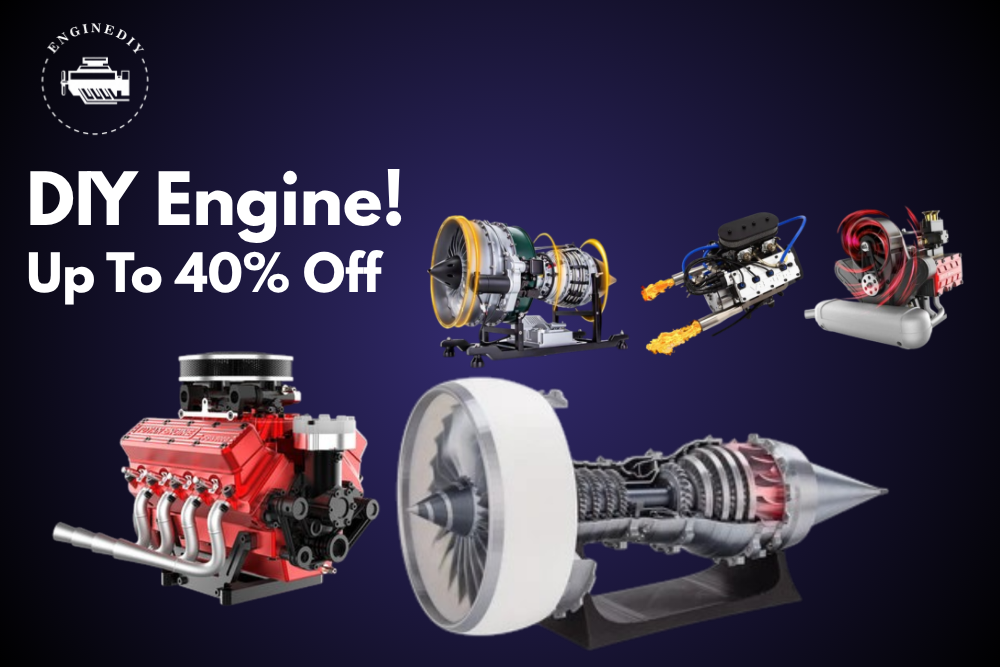
Open EngineDIY's catalog for the first time and the choices pile up fast. A $29 Steam kit sits a few clicks from a $10,000 V12. Some models run on gasoline, others turn by heated air, and a few spin like the inside of a jet. It's easy to freeze up before you ever add anything to your cart. Finding the best engine model kit isn't about chasing the priciest option. It's about matching the right build to your skill level, your budget, and what you actually want out of the hobby. This guide walks you through exactly that.
Why Engine Model Kits Appeal to So Many Different Buyers
These kits pull in very different people for very different reasons. Knowing your reason narrows the field quickly.
- The builder wants the satisfaction of assembly, of turning a box of parts into something that runs.
- The collector cares most about detail, scale accuracy, and how a finished model looks on a shelf.
- The learner or gift buyer wants to see mechanical concepts come alive, often for a student or a curious mind.
- The enthusiast already loves engines and wants a working scale version of a favorite type.
None of these buyers needs the same kit. That's the whole point of shopping by goal rather than by price tag.
Comparing Engine Types by What You Want to Do
Engine type shapes everything: the build difficulty, the sound, the display value, even the shelf space you'll need. Here's how the main options line up.
V8 Kits: The Classic Showpiece
The V8 is the engine most people picture. The TECHING 1:3 Full Metal V8 Car Engine Model Kit ($699.99, 69 reviews) leans into that appeal.
- Feature: Full metal construction with 500+ pieces.
- Benefit: A weighty, detailed build that rewards patience and looks the part when finished.
- Use case: Ideal for automotive enthusiasts who want a centerpiece and enjoy a real assembly challenge.
You can view the TECHING V8 kit to see the full build.
Steam and Beam Engines: Motion You Can Watch
Steam kits offer something combustion models can't: slow, visible mechanics. The RETROL Full Metal Beam Steam Engine Model Kit (79.99–359.99, 44 reviews) is a strong entry here.
- Feature: A beam-engine design with a boiler and flyball regulator.
- Benefit: You watch every part do its job, which makes it deeply satisfying and easy to understand.
- Use case: Great for newcomers and anyone drawn to mechanical history rather than raw horsepower.
Turbofan and Radial: Aviation on Your Desk
For aviation fans, spinning models steal the show. The TECHING 1/10 Turbofan Engine Model Kit ($999.99, 27 reviews) recreates a dual-spool jet engine with 1000+ parts, while the TECHING 1:6 Radial Engine Model Kit ($469.99, 33 reviews) delivers that classic star-shaped motion.
- Feature: Working spools (turbofan) or synchronized pistons (radial).
- Benefit: Mesmerizing movement that turns a shelf model into a conversation piece.
- Use case: The turbofan suits collectors wanting a bold statement; the radial suits vintage-aircraft lovers on a smaller budget.
Aviation buff on the fence? Compare the turbofan and radial models side by side.
L4 Diesel: Compact and Realistic
The TECHING 1:10 L4 Diesel Engine Model Kit (329.99–349.99, 18 reviews) packs a four-cylinder inline design into a manageable footprint.
- Feature: OHV inline-four layout with 300+ metal parts.
- Benefit: Realistic engine action without the space or cost of a large V8.
- Use case: A smart middle ground for builders who want detail and function at a moderate price.
Affordable STEM V8: The Easy Starting Point
Not everyone wants to spend hundreds on their first try. The STEM V8 Engine Model Kit (99.99–149.99, 22 reviews) lowers the barrier.
- Feature: A simpler, budget-friendly build that demonstrates how a V8 works.
- Benefit: A low-risk way to test the hobby or teach engine basics.
- Use case: Perfect for students, beginners, and gift buyers unsure where to start.
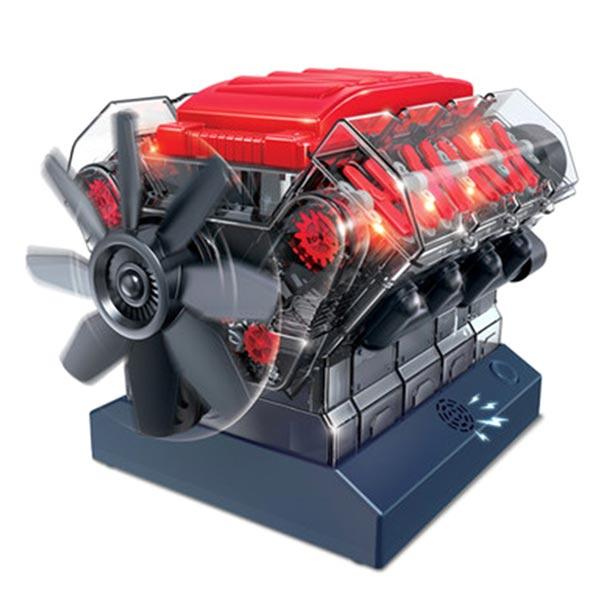
See the affordable STEM V8 kit for a gentle entry point.
Turning Features Into Real Value
Specs only matter when they change your experience. A few features carry real weight:
- Metal construction means a heavier, more durable model that feels premium and displays well.
- Higher part counts mean a longer, more absorbing build, which is a plus for hobbyists and a hurdle for casual buyers.
- Working mechanics mean you get motion, not just a static display, adding replay value.
Read each feature through the lens of your goal, and the right kit gets clearer.
Honest Pros and Cons
No kit fits everyone. Here's a straight look before you buy.
Pros
- A wide range spanning budget STEM kits to premium collector models
- Working, metal models that offer both build satisfaction and display value
- Multiple engine types, so you can match a kit to a specific interest
- Strong review counts on popular kits, plus EngineDIY's stated 1M+ YouTube and TikTok following and SlashGear coverage of miniature engine kits
Things to consider
- Higher-end kits require patience, workspace, and some mechanical comfort.
- Working models may need occasional maintenance or fuel, depending on type.
- Premium models carry premium prices, so match spend to commitment.
- Large builds like the turbofan need real shelf space to display well.
A Simple Buying Decision Framework
Feeling torn? Run through these four questions and the choice usually settles.
- What's your experience level? New to this? Start with the STEM V8 or a smaller steam kit. Confident? A TECHING V8 or turbofan rewards the effort.
- What's your budget? Options run from under $30 to five figures, so set a range first, then shop within it.
- Do you want display or working action? Most featured kits work, but the payoff differs: combustion sound versus steam motion versus spinning spools.
- Is RC use a factor? Some engines suit RC applications, so check the product page if you plan to power a model vehicle.
Answer those four, and one kit tends to stand out as yours.
The Bottom Line
The best engine model kit is simply the one that fits how you want to spend your time. A first-timer or gift buyer is well served by the affordable STEM V8. A history lover will get lost in the RETROL beam steam engine. Automotive fans gravitate to the TECHING V8, aviation fans to the turbofan or radial, and detail-focused builders to the L4 diesel.
Match your skill, budget, and goal, confirm the product details fit your space, and you'll buy with clarity instead of guesswork. When you're ready,
Browse the full EngineDIY range and find the kit that suits your next build.
Frequently Asked Questions
Which engine model kit is best for beginners?
Start with something affordable and forgiving, like the STEM V8 kit (99.99–149.99) or a smaller steam engine. These offer real learning and a satisfying result without the part count or price of a premium model. You can always move up to a TECHING V8 or turbofan once you've built confidence.
How difficult are these kits to assemble?
Difficulty varies widely by model. Budget STEM kits are designed for first-timers, while premium models like the 1000+ piece turbofan demand patience, workspace, and some mechanical comfort. Checking the part count and the product manual before buying gives you a good sense of the commitment involved.
Do engine model kits make good gifts?
Yes, especially when matched to the recipient's interest. An affordable STEM kit suits students and curious first-timers, a V8 suits car enthusiasts, and a turbofan or radial suits aviation fans. Choosing by the person's passion makes the gift far more memorable than picking by price alone.
Are working engine models worth the extra cost over display-only kits?
For many buyers, yes. Working models add motion, sound, or spinning action that a static display can't match, which increases replay value. The trade-off is a higher price and, in some cases, fuel or maintenance. If watching mechanics in action excites you, the upgrade is usually worth it.
What's the difference between a V8 and a turbofan kit for collectors?
A V8 like the TECHING 1:3 offers iconic automotive appeal and a hands-on assembly challenge. A turbofan delivers a bold, aviation-inspired centerpiece with spinning spools. The V8 suits car lovers who enjoy building; the turbofan suits those who want a striking statement piece and have shelf space to spare.
Can these engine models be used with RC vehicles?
Some engines suit RC applications, but not all featured display kits are built for it. If you plan to power an RC car, boat, or plane, check the individual product page to confirm compatibility before buying, since intended use varies from model to model.
Recent Blogs
-

Practical Car Accessories for Long-Distance Travel
Discover practical car accessories for long-distance travel, from tire inflators and emergency kits to phone mounts, chargers, and portable CarPlay screens. Learn what’s worth buying for a safer, more comfortable road trip.
-

Road Trip Essentials for a Comfortable Drive
Prepare for a more comfortable road trip with essential car safety checks, emergency supplies, travel comfort tips, and smart navigation gear. Discover what to pack, how to stay alert, and optional gadgets for exploring your destination.
-

Best Car Care Products for Maintaining Your Vehicle
Discover the best car care products for cleaning, protecting, and maintaining your vehicle. Learn which essentials are worth buying, avoid common mistakes, and keep your car looking great while supporting long-term performance.
-

Useful Car Gadgets for Everyday Driving
Discover useful car gadgets for safer, easier everyday driving, from dash cams and tire inflators to jump starters and CarPlay screens. Find practical upgrades that fit your car, budget, and driving needs.
-

Essential Car Accessories Every Driver Should Consider
Discover essential car accessories every driver should consider, from safety kits and jump starters to phone mounts, dash cams, and CarPlay upgrades.