Home Décor Ideas for a More Personal Space

Discover simple home décor ideas to create a more personal space with cozy textures, meaningful accents, functional furniture, and thoughtful styling for every room.
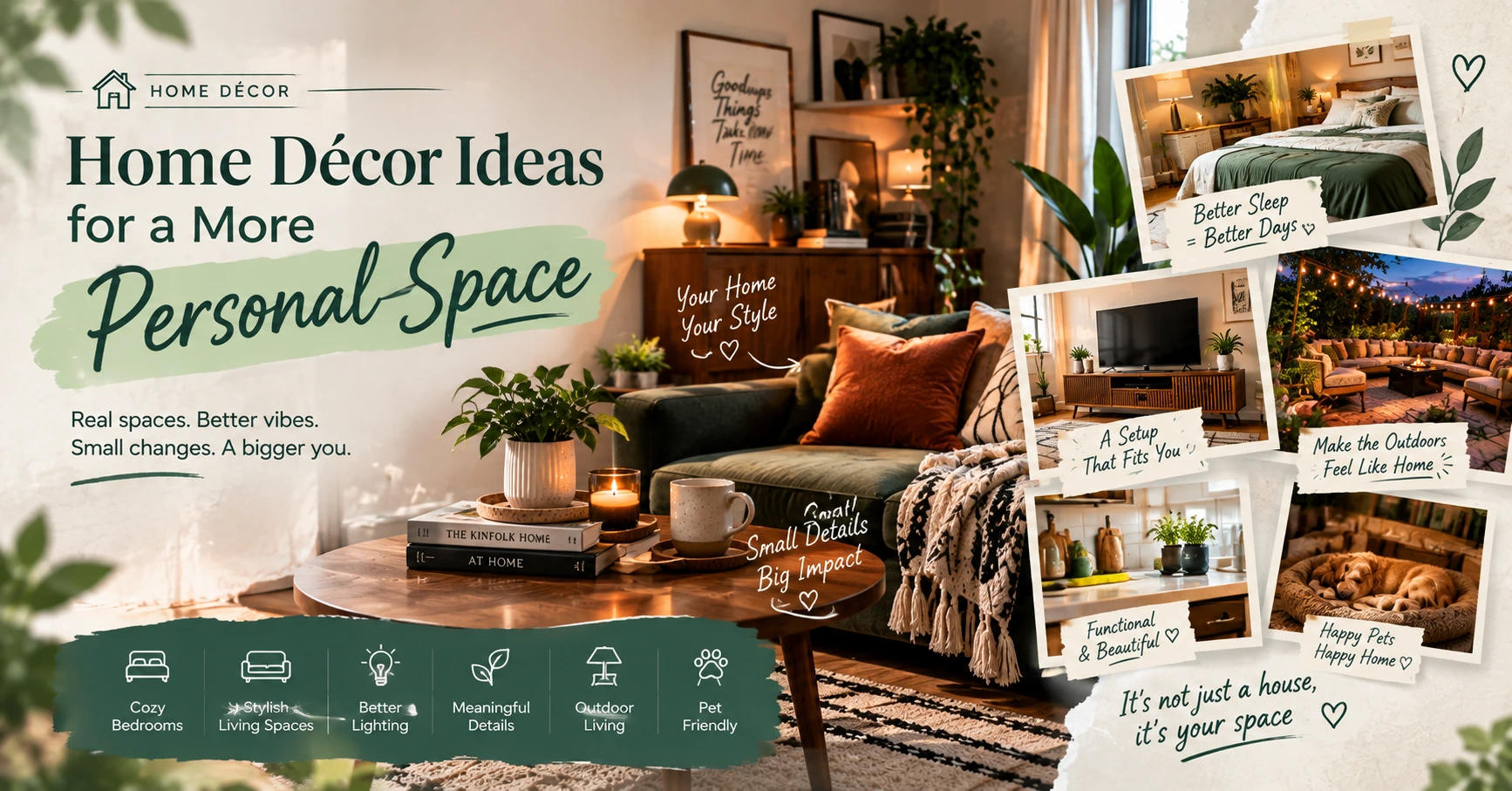
A home can look polished and still feel flat. That usually happens when a room is decorated around trends alone instead of the people living in it.
If you want your home to feel more personal, the goal is not to buy more stuff. It is to make more intentional choices. The most memorable spaces usually reflect real habits, favorite colors, meaningful objects, and the way someone actually wants to live day to day.
Quick answer: The best home décor ideas for a more personal space combine comfort, function, and identity. Start with the mood you want, add layers of color and texture, display meaningful items, and choose functional pieces that also support your style.
Why Personal Décor Matters
Personal décor does more than improve how a room looks. It changes how the room feels to live in.
When a space feels personal, it usually does three things well:
- It reflects your taste instead of copying a catalog.
- It supports your routines and makes daily life easier.
- It gives the room warmth, identity, and a sense of belonging.
That does not mean every surface needs to be filled or every room needs a dramatic theme. Often, a personal home feels edited rather than overdone. A few thoughtful choices can say more than a room packed with decorative items.
Start With How You Want the Space to Feel
Before choosing décor, decide what feeling you want the room to create.
Ask yourself:
- Do you want the room to feel calm, lively, cozy, creative, or airy?
- Is the room mostly for resting, gathering, working, or entertaining?
- Do you prefer a minimal look, a layered look, or something in between?
This step matters because personal décor is easier when you decorate around experience, not just appearance.
For example:
- A cozy room usually benefits from soft textiles, warm lighting, and layered surfaces.
- A creative room may need bolder art, color contrast, and more visible personal objects.
- A calm room often works best with a tighter palette, fewer visual distractions, and comfortable materials.
If you are unsure where to begin, pick three words for the space. Something like warm, relaxed, collected, or clean, modern, inviting gives you a practical filter for future choices.
Use Color, Texture, and Materials to Build Character
One of the easiest ways to make a home feel more like yours is to move beyond flat, one-note styling.
Choose a Color Palette That Feels Lived In
A personal room does not need dozens of colors. It needs a palette that feels intentional.
A simple formula:
- One dominant base color.
- One supporting tone.
- One accent color.
- Natural materials to soften the look.
If your room feels generic, the issue is often not the furniture. It is the lack of contrast, warmth, or repetition.
Examples:
- Beige walls become more personal with rust, olive, walnut, and black accents.
- A gray room often feels warmer with cream textiles, wood tones, and muted green.
- White rooms feel less sterile with woven textures, framed art, and softer off-white layers.
Layer Texture to Avoid a Flat Look
Texture is what keeps a room from feeling unfinished.
You can layer texture through:
- Throw blankets.
- Rugs.
- Curtains.
- Upholstered seating.
- Wood furniture.
- Ceramics.
- Linen bedding.
- Metal accents.
- Woven baskets.
Even a neutral room can feel rich and distinctive when smooth, soft, matte, glossy, and natural surfaces are mixed well.
Display What Means Something to You
If your home looks nice but does not feel personal, this is often the missing piece.
A room starts to feel individual when it includes objects with a story, memory, or connection.
Good examples include:
- Framed family photos or travel prints.
- Books you actually read.
- Handmade ceramics.
- Vintage finds.
- Souvenirs with visual value.
- Music gear or records.
- Meaningful gifts.
- Art that reflects your taste, humor, or interests.
The key is display, not accumulation.
Create Small Focal Areas
Instead of spreading personal items randomly across every surface, build a few intentional moments:
- A shelf with books, framed art, and one sculptural object.
- A console with a lamp, tray, and travel souvenir.
- A bedside setup with a candle, favorite book, and personal photograph.
- A record corner with storage and a stand that feels part of the room.
Small focal areas make a space feel curated rather than cluttered.
Make Everyday Function Part of the Décor
Some of the most personal homes are also the most practical. They do not separate style from use.
That means choosing items that solve a real need while still contributing to the room visually.
Examples include:
- Bedding that improves comfort and supports the look of the room.
- TV stands that feel like furniture instead of an afterthought.
- Decorative storage that reduces clutter.
- Patio or backyard pieces that make entertaining more inviting.
- Seasonal accents that help the exterior feel as considered as the interior.
Bedroom Comfort Counts
A bedroom rarely feels personal if it is only visually styled. It also needs to feel comfortable, restful, and suited to how you sleep.
That is where bedding can do more than fill a category. It can shape the entire mood of the room.
Mellow Sleep focuses on sleep essentials such as pillows, cooling comforters, sheet sets, duvet sets, and related bedding products. For readers trying to make a bedroom feel more comfortable and more intentional, that is a relevant category because bedding influences both appearance and daily experience.
If your bedroom feels impersonal, consider updating:
- Your pillow setup.
- The texture and drape of your comforter.
- The overall color story of your bed.
- Whether your bedding feels crisp, soft, cooling, or heavy enough for your preferences.
If you want to browse options in that category, you can explore Mellow Sleep’s bedding collection. Choose based on comfort preferences first, then color and finish so the room feels cohesive instead of staged.
Make Media Zones More Attractive
Many living rooms lose personality around the TV area. Screens often dominate the room, while the stand or support system feels purely utilitarian.
That is why a well-designed stand can change the feel of a space more than people expect.
FITUEYES offers design-focused TV stands, floor TV stands, carts, record player stands, and accessories. Several of its products lean into a furniture-forward look rather than the bulky entertainment-center style that can make a room feel heavy.
This can be especially useful if you want to:
- Make the TV zone feel lighter.
- Add a sculptural furniture piece.
- Improve flexibility in an apartment or open-plan room.
- Create a cleaner setup around media equipment.
If that sounds like your space, you can see FITUEYES TV stand options. Pay attention to screen-size compatibility, weight capacity, layout fit, and whether you want a fixed or mobile setup.
Personalize Overlooked Spaces
Some of the most effective décor upgrades happen outside the obvious places.
Living rooms and bedrooms get most of the attention, but entryways, patios, garages, and unused corners can add a surprising amount of personality to a home.
Turn an Empty Corner Into a Purpose-Driven Nook
A blank corner can become:
- A reading nook with a chair and floor lamp.
- A music corner with a record stand.
- A compact home bar.
- A plant display.
- A writing or journaling space.
- A landing spot for books and baskets.
This is often where personality shows up fastest because the zone can reflect a specific habit or hobby.
Create a More Personal Outdoor Entertaining Area
If you use your patio, deck, or backyard for gatherings, that space deserves the same design attention as your indoor rooms.
Personal outdoor spaces often include:
- Comfortable seating.
- Defined cooking or dining zones.
- Lighting for evening use.
- Serving surfaces.
- A setup that matches how you host.
Monument Grills is relevant here because it focuses on gas grills, grill series for different needs, and outdoor cooking accessories. While a grill is not a traditional décor product, it can be central to how an outdoor living area functions and feels.
For readers who want their backyard to feel more usable and more welcoming, a cooking zone can become part of the home’s personality, especially if hosting is part of everyday life.
You can browse Monument Grills collections if you are shaping a patio or backyard around entertaining. Before buying, think about fuel type, available footprint, cooking capacity, and whether you need accessories or mobility.
Add Seasonal Personality to Your Garage and Exterior
Not every home décor article needs to talk about the garage. This one can, because exterior personality matters too.
If your home has visible garage-facing curb appeal, seasonal décor can make the exterior feel more intentional and memorable.
GarageBuddy sells garage door covers, front door covers, and seasonal decorative collections, including Halloween, Christmas, nature-themed, patriotic, and glow-style options. That makes it a niche but relevant fit for readers who enjoy seasonal decorating and want their home’s personality to extend outdoors.
This will not suit every reader, but for people who decorate for holidays or neighborhood events, it can be a creative alternative to spreading lots of separate yard décor pieces around the property.
If that is your style, you can explore GarageBuddy’s seasonal covers. It makes the most sense for people who enjoy visible, high-impact seasonal decorating and want one focal exterior element instead of multiple smaller decorations.
Common Mistakes That Make a Space Feel Generic
A more personal home is not about spending more. It is often about avoiding a few common styling mistakes.
Buying Everything at Once
Rooms usually feel more personal when they evolve. If every item is bought in a single rush, the result can feel staged instead of lived in.
Copying a Trend Too Literally
Trend inspiration can help, but a room should still reflect your habits, taste, and priorities. If it looks good online but does not suit how you live, it will not feel like yours for long.
Ignoring Comfort
A beautiful room that is uncomfortable rarely feels personal. This is especially true in bedrooms, lounges, and entertainment spaces.
Keeping Everything Purely Decorative
Some of the best décor decisions are also practical. Useful objects often create the most authentic personality because they reflect how the home is actually used.
Displaying Too Much at Once
Meaningful objects lose impact when everything is competing for attention. Rotate, group, and edit.
A Simple Checklist for Creating a More Personal Home
Use this checklist if you want a straightforward reset.
- Pick three words you want the room to feel like.
- Choose a tighter color palette.
- Add at least two new textures.
- Display a few meaningful objects instead of generic fillers.
- Improve one functional area, such as bedding, media setup, or storage.
- Style one overlooked zone, like an entryway or corner.
- Remove anything that feels random, cluttered, or disconnected from the room.
Frequently Asked Questions
How Do I Make My Home Feel More Personal?
Start by defining how you want the space to feel, then add meaningful objects, layered textures, and practical pieces that support your daily life. Personal homes reflect habits and taste, not just trends.
What Décor Makes a House Feel Like Home?
Soft lighting, comfortable textiles, personal photos, books, art, and objects with emotional value often make a home feel more lived-in and welcoming.
How Can I Decorate Without Making My Space Feel Cluttered?
Group items intentionally, use a tighter color palette, and focus on a few strong focal points instead of filling every surface.
What Is the Easiest Room to Personalize First?
The bedroom is often the easiest place to start because bedding, lighting, and bedside styling can quickly change how the space feels.
Can Functional Items Also Be Part of Home Décor?
Yes. Bedding, TV stands, storage pieces, and patio furniture can all shape the style of a space while serving a real purpose.
How Do I Personalize a Rental Without Renovating?
Use removable art, textiles, lighting, mirrors, freestanding furniture, decorative storage, and meaningful accessories to create identity without permanent changes.
Should Every Room in a Home Have the Same Style?
Not necessarily. The home should feel connected, but each room can reflect a slightly different purpose or mood.
Final Thoughts
The most personal homes usually do not come from perfect design plans. They come from paying attention to what feels comfortable, useful, familiar, and true to the people living there.
Start small. Upgrade the bedding that affects your sleep. Rethink the TV setup that anchors your living room. Turn a blank corner into something that reflects how you spend your time. Add a seasonal outdoor detail if that brings you joy.
A home feels more personal when it starts telling the truth about who lives there.
Recent Blogs
-

Practical Car Accessories for Long-Distance Travel
Discover practical car accessories for long-distance travel, from tire inflators and emergency kits to phone mounts, chargers, and portable CarPlay screens. Learn what’s worth buying for a safer, more comfortable road trip.
-

Road Trip Essentials for a Comfortable Drive
Prepare for a more comfortable road trip with essential car safety checks, emergency supplies, travel comfort tips, and smart navigation gear. Discover what to pack, how to stay alert, and optional gadgets for exploring your destination.
-

Best Car Care Products for Maintaining Your Vehicle
Discover the best car care products for cleaning, protecting, and maintaining your vehicle. Learn which essentials are worth buying, avoid common mistakes, and keep your car looking great while supporting long-term performance.
-

Useful Car Gadgets for Everyday Driving
Discover useful car gadgets for safer, easier everyday driving, from dash cams and tire inflators to jump starters and CarPlay screens. Find practical upgrades that fit your car, budget, and driving needs.
-

Essential Car Accessories Every Driver Should Consider
Discover essential car accessories every driver should consider, from safety kits and jump starters to phone mounts, dash cams, and CarPlay upgrades.