Everyday Habits for Staying Active and Energized

Learn seven practical habits to stay active and energized, improve sleep, build strength, and manage daily fatigue. Discover a simple weekly plan and how recovery tools and supplements may fit into a healthier routine.
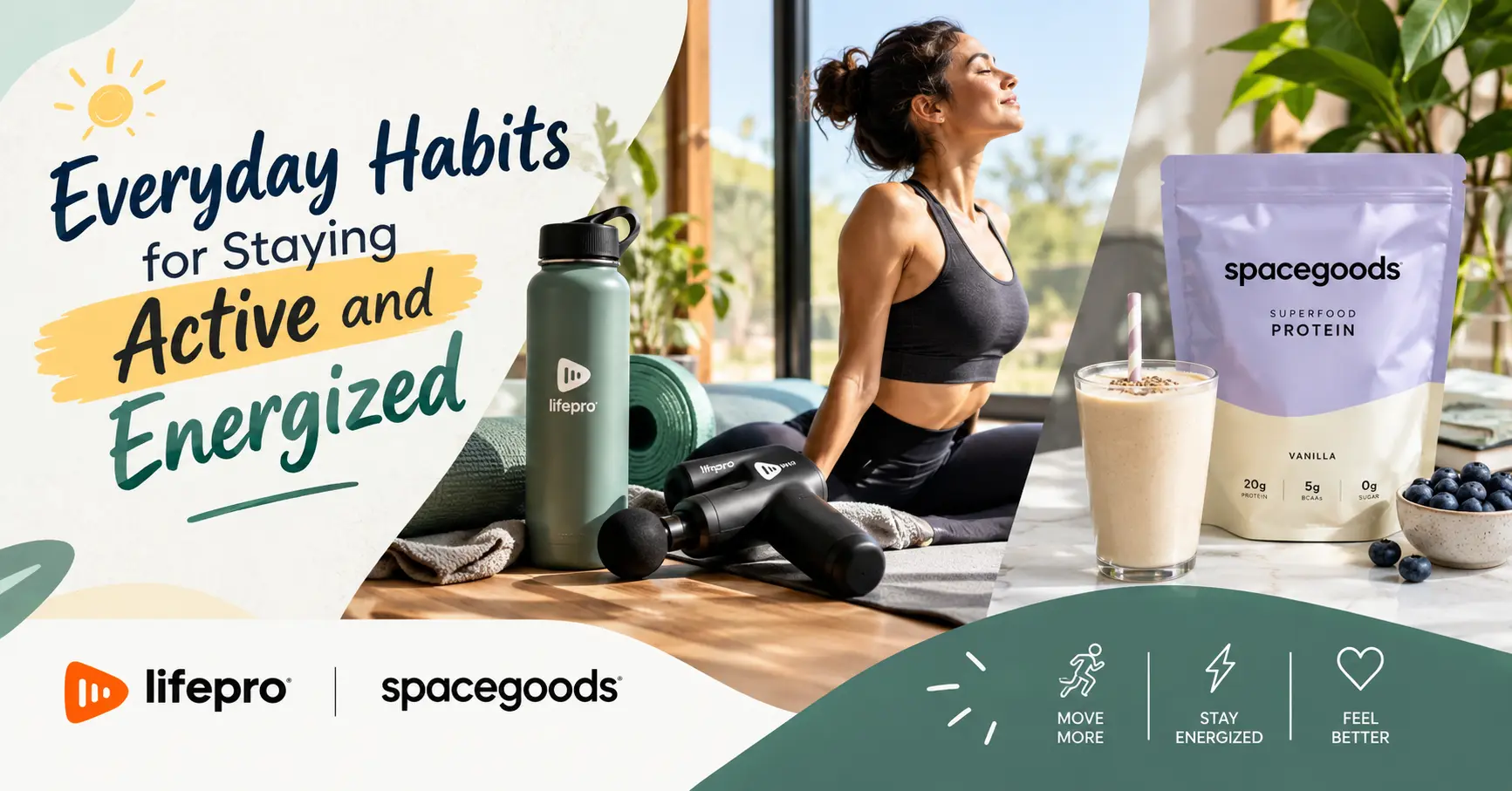
Most advice on energy sounds like a full lifestyle reboot: new gym membership, new diet, new alarm clock. Real life rarely cooperates. A better approach is a handful of small habits that take little time, stack, and pay off by mid-afternoon.
This guide covers seven everyday habits for staying active and energized, a one-week starter plan, and an honest look at where recovery gear or supplements might fit. The habits come first because they do most of the work.
Affiliate Disclosure: Some links in this article are affiliate links. If you purchase through these links, Weekend Smash may earn a commission at no additional cost to you.
Quick Answer
The habits with the strongest support are moving regularly, sleeping enough, strength training, and managing caffeine and meals. In practice:
- Break up sitting every 30 to 60 minutes.
- Walk daily.
- Strength train two days a week.
- Aim for at least seven hours of sleep.
- Eat and drink at regular intervals.
- Stop caffeine early enough that it doesn’t cost you sleep.
- Schedule recovery after harder days.
Tools and supplements are optional extras. They don’t replace any of these.
For more simple routines that support overall well-being, read Everyday Wellness Habits That Are Easy to Maintain.
Why Energy and Activity Are Linked
It seems backwards, but moving more usually leaves you with more energy, not less. Regular activity supports cardiovascular fitness, sleep quality, and mood, and all three shape how awake you feel. Long uninterrupted sitting works the other way, and the World Health Organization advises limiting sedentary time.
For a target, the CDC’s guidelines for adults suggest at least 150 minutes of moderate-intensity aerobic activity per week, plus muscle-strengthening activity on two or more days. The WHO’s range is 150 to 300 minutes. That sounds like a lot until you break it down. It’s roughly 22 minutes a day, and it can be split into short pieces.
Low energy has many causes, including poor sleep, stress, diet, medical conditions and medications. Habits help with many of them, but they aren’t a diagnosis. The section on when to seek professional advice covers the warning signs.
For a broader guide to everyday health routines, see Healthy Lifestyle Essentials for a Better Daily Routine.
Seven Everyday Habits That Make a Difference
1. Break Up Long Stretches of Sitting
Sitting for hours is its own problem, separate from whether you exercise. Short interruptions help: stand, stretch, walk to refill water, or take a call on your feet.
A simple rule is to move for two minutes every 30 to 60 minutes. A phone timer or a calendar nudge is enough. These short breaks add up, and they cost almost nothing.
2. Walk Every Day
Walking is the easiest way to reach the weekly activity target. It needs no equipment, has a low injury risk for most people, and fits into existing routines.
Try one of these:
- A 10-minute walk after each meal
- A phone call taken while walking
- A short morning loop before checking email
- Parking farther away or getting off one stop early
Brisk enough to raise your breathing slightly counts as moderate intensity. You should still be able to talk.
3. Strength Train Twice a Week
Muscle-strengthening activity is the part of the guidelines people most often skip. It supports strength, balance, and everyday function, and you don’t need a gym for it.
A basic 20- to 30-minute session might include:
- Squats or sit-to-stand reps
- Push-ups, on a counter or the floor
- A row with a resistance band or a weighted bag
- A plank or dead bug for the core
- A hip hinge, such as a hip bridge or a light deadlift
Start with one or two sets and add volume gradually. Consistency matters more than intensity in the first few months.
4. Protect Your Sleep Window
Sleep is the biggest energy lever most people can pull. The CDC recommends that adults get at least seven hours per night. A few habits help:
- Keep wake-up time within about an hour, including weekends.
- Get daylight early in the day.
- Keep the bedroom cool, dark, and quiet.
- Put screens down 30 to 60 minutes before bed if they keep you up.
If you snore loudly, wake unrefreshed despite enough hours, or feel very sleepy during the day, talk to a clinician. Those can be signs of a sleep disorder.
For more practical steps to create a relaxing bedtime routine, read Simple Ways to Support Better Sleep and Relaxation.
5. Eat and Hydrate on a Steady Rhythm
Long gaps between meals, or meals that are mostly refined carbohydrates, leave some people feeling flat. Others do fine either way, so treat this as something to test on yourself.
Practical steps:
- Include protein and fiber at most meals.
- Keep water within reach and sip through the day.
- Plan one reliable snack for the mid-afternoon dip, such as fruit and nuts or yogurt.
Hydration needs vary with body size, climate, and activity, so there’s no single number for everyone. Pale yellow urine is a rough practical guide.
6. Time Your Caffeine
Caffeine can sharpen alertness, but it lingers. Late-day coffee can quietly cut into the sleep you need for tomorrow’s energy.
The FDA notes that up to 400 milligrams a day is not generally associated with negative effects for most healthy adults. Sensitivity varies a lot, and pregnancy, anxiety, and some medications change the picture. A common approach is to stop caffeine by early afternoon and see whether your sleep improves.
Check labels on powders, pre-workouts, and energy blends, since some contain caffeine and some don’t.
7. Recover on Purpose
Recovery is where fitness gets built, and skipping it is a common reason people burn out. Easy habits cover most of it:
- Take at least one lighter day a week.
- Do 5 to 10 minutes of gentle mobility after workouts.
- Walk on rest days instead of doing nothing.
- Add a longer warm-up if you feel stiff.
Some people also use equipment such as massage tools, vibration plates or foam rollers. They can make recovery more pleasant and more consistent, but they work best as a supplement to sleep, food, and gradual training. The next section looks at where they fit.
When Tools and Supplements May Help
Habits first, extras second. The table shows how that ordering works in practice.
Before buying anything, ask three questions. Will I use it weekly? Does it address a specific need? Does the brand’s claim match what the evidence supports? Brand claims describe what a company says about its product. They aren’t the same as independent findings.
For a wider look at optional wellness products and what to consider before buying, see Wellness Products Worth Adding to Your Routine.
Recovery Equipment: Where Lifepro Fits
Lifepro is a US fitness and recovery equipment brand. Its range includes vibration plates, massage guns, red-light devices, foot massagers, adjustable weights, and compact cardio equipment. According to its own user manual, the company was started by two athletes who each suffered serious ACL injuries and were frustrated by home gear that over-promised.
Lifepro may suit someone who already trains or walks regularly and wants a convenient way to build a recovery habit at home. It may also suit someone who finds a short vibration or massage session easier to stick with than stretching alone.
A few honest considerations:
- Evidence varies by device. Research on whole-body vibration plates is mixed, and results depend on the person and the protocol. Claims about circulation or lymphatic drainage are the brand’s claims, not settled outcomes.
- Massage tools are for comfort, not repair. Some studies suggest short-term improvements in perceived soreness and range of motion. None of that replaces sleep, nutrition or progressive training.
- Check the fit. Look at weight limits, noise, footprint and the return and warranty terms on the official product page before you buy.
- Don’t use any device on an injury. Pain, swelling or numbness is a reason to see a clinician, not to add a gadget.
If a home recovery tool sounds useful, you can explore Lifepro’s recovery and fitness equipment and compare options against your space and routine.
Energy and Focus Blends: Where Spacegoods Fits
Spacegoods is a UK-based wellness brand that sells powdered blends and chewable gummies built around functional mushrooms and adaptogens. Its powders include Rainbow Dust, offered in flavors such as chocolate, coffee, and vanilla cinnamon, and Astro Dust. Its chews include Mushroom Moon Chews in strawberry, which feature lion’s mane, and Chaga Mushroom Star Chews in blueberry, which add vitamins D, A, and C.
This type of product may appeal to someone who wants a flavored daily ritual in place of, or alongside, a second coffee. Some people like that a single scoop replaces several separate supplements.
A balanced view is important here:
- Evidence is limited. Research on functional mushrooms and adaptogens in healthy adults is still developing. Statements about focus, mood or energy are the brand’s claims, not established outcomes.
- Read the full label. Check caffeine content, sweeteners, allergens and the amount of each active ingredient. Flavor and formula vary by product.
- Supplements aren’t regulated like medicines. The NIH Office of Dietary Supplements and the FDA both advise talking to a healthcare provider before starting a supplement, especially if you are pregnant, breastfeeding, on medication or managing a condition.
- Check the purchase terms. Look at the subscription, cancellation and return policy before checking out.
If you’d like to look at the range, you can see Spacegoods’ powders and chews and read the full ingredient list for any product you consider. Think of it as an optional extra that works best on top of decent sleep and steady meals.
A Simple First-Week Plan
Don’t try to adopt all seven habits on day one. Add one every day or two.
- Day 1: Set a movement-break reminder every 45 minutes.
- Day 2: Take a 10-minute walk after your biggest meal.
- Day 3: Do a 20-minute bodyweight strength session.
- Day 4: Fix a consistent wake-up time and get morning daylight.
- Day 5: Pick a caffeine cutoff and a mid-afternoon snack.
- Day 6: Do 10 minutes of gentle mobility or an easy walk.
- Day 7: Review what felt easy, what didn’t, and what to repeat next week.
A quick checklist for the end of the week:
- Did I move every day?
- Did I strength train at least once?
- Did I sleep within a consistent window?
- Did my energy change at any point in the day?
Common Mistakes to Avoid
- Going too hard too soon. A big first week often ends in soreness and quitting. Increase gradually.
- Using caffeine to cover for poor sleep. It works briefly and then makes the next night worse.
- Skipping strength work. Walking is great, but it doesn’t replace resistance training.
- Buying equipment before building the habit. A tool you don’t use can’t help.
- Treating supplements as a fix. They can’t make up for several nights of short sleep.
- Ignoring persistent fatigue. Tiredness that doesn’t improve is worth investigating, not pushing through.
When Tiredness Needs a Professional
Habits can’t solve every cause of fatigue. See a doctor if you have tiredness that lasts weeks despite good habits, unexplained weight changes, shortness of breath, chest discomfort, very low mood, heavy daytime sleepiness, or any other symptom that worries you. Conditions such as anemia, thyroid problems, sleep apnea, and depression can all cause low energy and need proper assessment.
This article is general information and not medical advice.
Frequently Asked Questions
How can I stay active every day without going to the gym?
Walk daily, break up sitting every 30 to 60 minutes, and do short bodyweight strength sessions at home. Small pieces of activity count toward weekly totals.
What habits give you more energy?
Regular movement, consistent sleep, steady meals and fluids, and sensible caffeine timing have the broadest support. Sleep and activity usually make the biggest difference.
How much exercise do adults need each week?
The CDC recommends at least 150 minutes of moderate-intensity aerobic activity per week plus muscle-strengthening activity on two or more days. The WHO’s range is 150 to 300 minutes for aerobic activity.
Why do I feel tired even when I sleep enough?
Sleep quality, stress, low activity, diet, medications, and medical conditions can all play a part. If tiredness persists for weeks, talk to a healthcare professional.
Do vibration plates and massage guns actually work?
Evidence is mixed. Some people find massage tools helpful for short-term soreness and relaxation, while research on vibration plates varies. Treat them as comfort and convenience tools, not as substitutes for training, sleep, and nutrition.
Are energy and focus supplements safe?
That depends on the ingredients, the dose, and your health. Dietary supplements are not approved by the FDA before they are sold, so read labels carefully and ask a healthcare provider first if you take medication, are pregnant or breastfeeding, or have a medical condition.
When should I stop drinking caffeine?
There’s no universal time, because sensitivity differs. Many people do well stopping by early afternoon. If you have trouble sleeping, move your cutoff earlier and see what happens.
Final Thoughts
Staying active and energized rarely comes from one dramatic change. It comes from a few repeatable habits: moving often, walking daily, lifting twice a week, sleeping enough, eating regularly, timing caffeine, and recovering on purpose.
Start with one habit this week. If you later find that a recovery tool or an energy blend fits a specific need, treat it as a supplement to those habits, read the product details closely, and check with a healthcare professional where appropriate.
Recent Blogs
-
Home Improvement Tools Every Homeowner Should Have
Discover the essential home improvement tools every homeowner needs for DIY repairs, furniture assembly, safe upgrades, and everyday maintenance.
-

Easy Ways to Make Your Outdoor Space More Inviting
Make your patio, porch, or yard more inviting with warm lighting, comfortable seating, added privacy, and greenery. Discover simple weekend upgrades that transform outdoor spaces into relaxing, functional places to unwind.
-

Garden Essentials for Creating a Healthy Outdoor Space
Create a healthier outdoor space with essential gardening tools, soil testing, suitable plants, smart watering, pollinator-friendly choices, and safe pathway lighting. Discover practical tips for a beautiful, comfortable garden.
-

Practical Ideas for Refreshing Your Home on a Budget
Refresh your home on a budget with simple ideas for lighting, wall art, soft furnishings, and furniture. Discover affordable upgrades, DIY decor tips, and practical ways to make every room feel more comfortable and stylish.
-
Home Improvement Projects That Make a Big Difference
Discover home improvement projects that make a big difference, from fresh paint and better lighting to smarter storage, energy efficiency, and curb appeal.