Healthy Lifestyle Essentials for a Better Daily Routine

Discover healthy lifestyle essentials for a better daily routine, from sleep and exercise to balanced nutrition, stress management, and recovery tools. Learn simple habits that support everyday wellness.
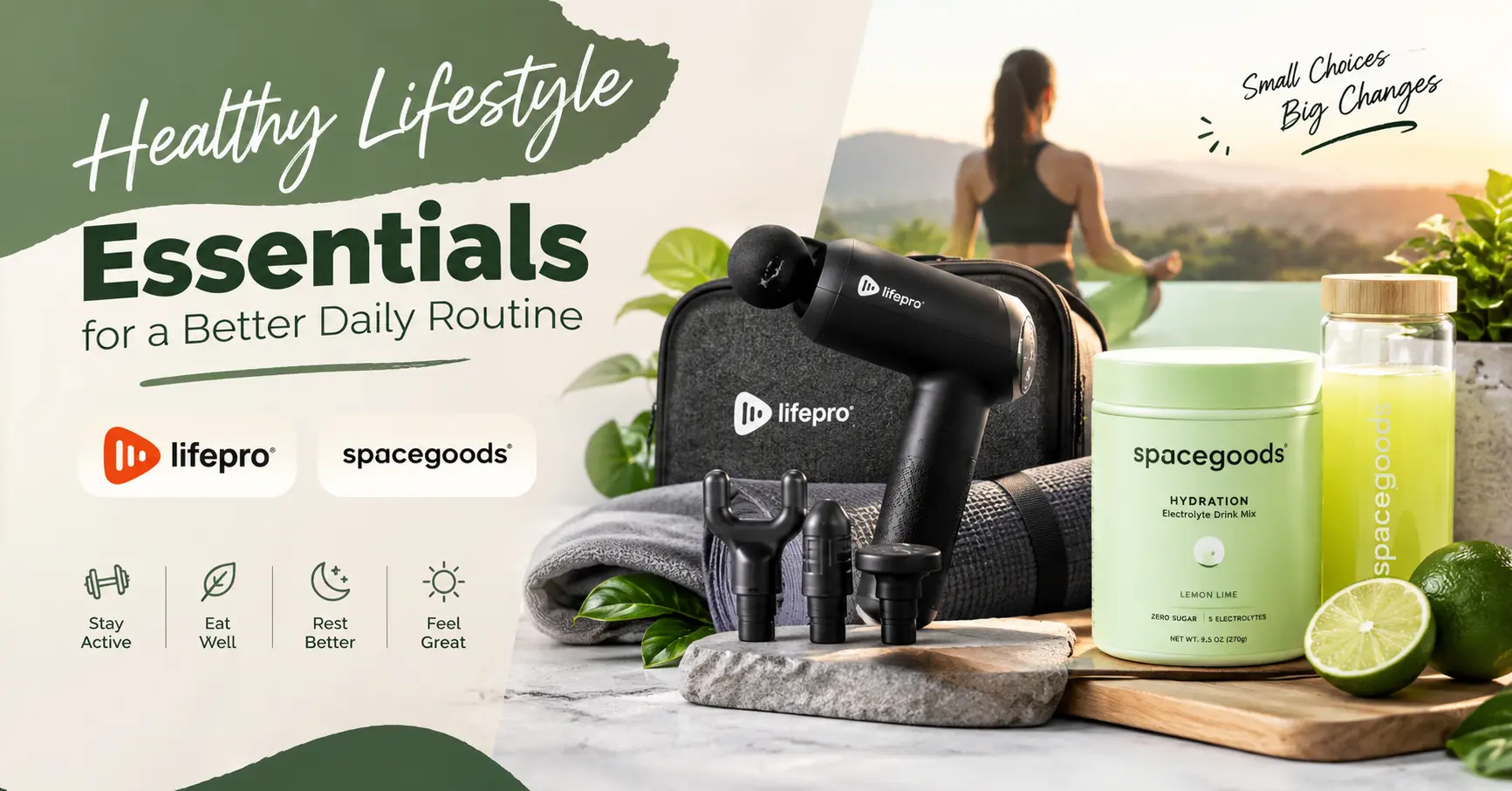
Most people don’t struggle to find health advice. They struggle to turn it into a day that actually works. One article says sleep matters most, another says to lift weights, and a third says to drink something green at dawn. By Wednesday, the plan has collapsed.
This guide takes a different approach. It covers the few essentials that shape how you feel day to day, shows how to fit them into a normal schedule, and explains where certain tools can help and where they can’t.
Affiliate Disclosure: Some links in this article are affiliate links. If you purchase through these links, Weekend Smash may earn a commission at no additional cost to you.
Quick answer: A healthy daily routine rests on five things: consistent sleep, regular movement, balanced eating with enough fluids, a way to manage stress, and time to recover. Start with one or two, make them small enough to repeat on a bad day, and add more only when they feel automatic.
For practical ways to make these changes stick, read our guide to everyday wellness habits that are easy to maintain.
What Counts as a Healthy Daily Routine?
A healthy routine is a set of repeatable habits that support your energy, mood, strength, and sleep. It is not a perfect schedule, a strict diet, or an hour-long ritual before breakfast.
The best routines share three traits:
- They are specific. “Walk for 15 minutes after lunch” works better than “exercise more.”
- They are flexible. A routine that survives travel, deadlines, and low-energy days is worth more than an ideal one that breaks in a week.
- They are yours. A night-shift worker, a parent of toddlers and a retiree need different timing, even if the essentials are the same.
The Five Essentials That Do Most of the Work
Sleep
Sleep is the foundation the other habits sit on. Most adults need at least seven hours a night, according to CDC guidance. Consistency matters as much as the total. Going to bed and waking at similar times, even on weekends, helps your body settle into a rhythm.
Simple moves that tend to help:
- Keep a regular wake-up time before worrying about bedtime.
- Dim lights and put screens away during the last 30 to 60 minutes of the evening.
- Keep the bedroom cool, dark, and quiet.
- Limit caffeine later in the day, since sensitivity varies a lot between people.
For more practical ideas on creating a relaxing nighttime routine, explore our guide to better sleep and relaxation tips.
Movement
You do not need a gym to meet the basics. Adults are advised to get at least 150 minutes of moderate-intensity activity a week, plus muscle-strengthening activity on two days. That could mean a 30-minute brisk walk five days a week and two short strength sessions at home. CDC
If that sounds like a lot, remember that you can split it up. Ten minutes after each meal counts. So does taking the stairs, or standing up and moving for a few minutes every hour of desk work. Some activity is better than none.
Older adults, people with chronic conditions, and anyone returning after an injury should adjust intensity and include balance work where appropriate. A clinician or physical therapist can help tailor this.
You can find more manageable ideas in our guide to everyday habits to stay active and energized.
Food and Hydration
Healthy eating does not require a rigid plan. A practical baseline is to build most meals around vegetables, fruit, whole grains, lean or plant-based protein, and healthy fats, and to notice how heavily processed foods and sugary drinks show up in your week.
Two habits that are easy to start:
- Add something rather than banning something. A piece of fruit or a handful of vegetables at lunch is easier to keep than a long list of rules.
- Keep water visible. Having a bottle on your desk does more than a vague intention to “drink more.”
Supplements and functional drink mixes can be part of a routine for some people, but they sit on top of food, not in place of it.
Stress and Mental Breaks
Stress management is a habit, not an emergency measure. Short, regular breaks tend to work better than occasional big ones. Options include a five-minute walk outside, slow breathing, journaling a few lines, stretching, or simply ending the workday at a set time.
If stress, low mood, or anxiety are persistent or affecting daily life, that is a reason to talk with a healthcare professional rather than trying to fix it with routines alone.
Recovery
Recovery is the part many routines skip. Muscles, joints, and your nervous system adapt during rest, not during effort. Recovery can be as simple as rest days, gentle stretching, a warm shower, easy walking, or good sleep.
For people who exercise often, sit long hours, or deal with everyday stiffness, some choose to add dedicated recovery tools. Those are covered in the product section below.
What a Simple Day Can Look Like
This is a template, not a prescription. Shift the blocks around your own schedule.
How to Build a Routine That Lasts
- Pick one anchor habit. Choose the one that would make the biggest difference, often a fixed wake time or a daily walk.
- Make it very small. If you can’t do it on your worst day, shrink it. Five minutes counts.
- Attach it to something you already do. Stretch after brushing your teeth. Walk after lunch. Pair the new habit with an existing cue.
- Track it simply. A calendar tick or a note on your phone is enough.
- Add the next habit after two to four weeks. There is no fixed timeline, and the time habits take to settle varies between people and behaviors.
- Plan for lapses. Decide in advance what a “minimum version” of the day looks like, and return to it without guilt.
Common Mistakes That Derail Routines
- Starting with five new habits at once. It feels motivating and usually collapses within weeks.
- Copying someone else’s routine. A 5 a.m. schedule suits some people and wrecks others.
- Treating products as the plan. Equipment and supplements support habits. They don’t create them.
- Ignoring sleep while pushing exercise. Training harder on poor sleep often backfires.
- All-or-nothing thinking. Missing a day does not erase progress.
Where Products Can Support a Routine
You can build a healthy routine for almost nothing. Products are optional. Still, some readers want tools that make particular habits easier, so here are two that fit specific parts of a routine, with the caveats that matter.
For a closer look at choosing useful products without relying on them to build habits, see our guide to wellness products worth adding to your routine.
Daily Drink Rituals: Spacegoods
Many people anchor their morning or evening around a drink. Spacegoods is a London-based wellness brand whose products are made in England. It sells powdered drink blends for different parts of the day, including a coffee-style blend, a matcha blend, an electrolyte blend, and an evening magnesium blend.
Its best-known product is Rainbow Dust, which it describes as a mushroom-coffee alternative. According to the brand, each serving combines natural caffeine (80 to 120 mg, from coffee) with ingredients such as lion’s mane, cordyceps, chaga, ashwagandha and maca. The brand says its products are third-party lab-tested, vegan, and made without added sugar.
Things worth knowing before you buy:
- Who it suits: Coffee drinkers who like a morning ritual and want a different flavor and ingredient profile, or who want to cut back on regular coffee.
- What the claims are: Focus, energy, and mood outcomes come from the brand and its own customer survey. They are not independent clinical findings. Individual responses vary.
- Caffeine still counts. If you are sensitive to caffeine, track the total across your day.
- Check with a professional if you are pregnant or breastfeeding, take medication, or have a medical condition. Herbal and mushroom ingredients are not right for everyone.
- Purchase terms: The brand states that its starter kits are subscription-only, with one-time pouches and sample sachets also available, plus a 60-day money-back guarantee. Shipping costs and times vary by country.
If you want to try it in a low-commitment way, see the available blends and sample options before choosing a format.
Low-Impact Movement and Recovery: LifePro
LifePro is a wellness and fitness-recovery brand that sells vibration plates, massage guns, red light therapy devices, infrared saunas, and home fitness equipment. It is best known for its vibration plates. Its Waver is a flat oscillating plate aimed at daily wellness, the Rumblex Plus 4D is a more powerful triple-motor model for strength-focused use, and the Rhythm has handlebars for people who want extra stability.
How these fit into a routine:
- Desk-based days: A short session can act as a movement break, though it does not replace walking or strength training.
- Everyday stiffness or recovery days: Massage guns and gentle low-impact tools are common choices here.
- Limited mobility or balance concerns: A model with handlebars and a gradual setup may feel more comfortable than a flat platform. A physical therapist can advise on this.
Things to weigh:
- Evidence is mixed. Research on whole-body vibration varies by outcome and population. Treat “clinically proven” style language, which appears on the brand’s site, as marketing and not as a guaranteed result.
- It supplements; it doesn’t replace. Vibration sessions don’t meet the CDC’s activity guidelines on their own.
- Space and noise: Check the dimensions and weight limits against your home and your own weight.
- Policies: The brand states a lifetime warranty on structural components, free shipping and a 30-day return window, and lists eligibility for FSA and HSA accounts. Confirm the current terms at checkout.
To compare models by purpose rather than by price, browse LifePro’s vibration plates, massage tools, and recovery equipment.
Who Should Check With a Professional First
Speak with a doctor or physical therapist before using vibration equipment or new supplements if you:
- are pregnant or postpartum
- have a heart condition, implanted device, blood-clotting disorder, or recent surgery or injury
- take regular medication
- have a chronic condition or significant balance problems
Always read the manufacturer’s safety instructions and stop if something feels wrong.
A Quick Daily Checklist
- Woke up at a similar time to yesterday
- Drank water before midmorning
- Moved for at least 10 minutes (more if you can)
- Had at least one meal with vegetables or fruit
- Took one proper break from work or screens
- Limited caffeine in the late afternoon
- Started winding down before bed
Frequently Asked Questions
What are the essentials of a healthy lifestyle?
The core essentials are consistent sleep, regular physical activity, balanced eating with enough fluids, stress management, and recovery time. Strong habits in these five areas matter more than any single product or trend.
How do I start a healthy daily routine from scratch?
Pick one small habit, such as a fixed wake-up time or a 10-minute walk, and attach it to something you already do. Repeat it for a few weeks before adding another.
How much exercise do I need each day?
CDC guidance for adults is at least 150 minutes of moderate-intensity activity per week plus muscle-strengthening on two days. That works out to about 20 to 30 minutes a day, and it can be broken into shorter chunks.
How long does it take to form a habit?
It varies by person and by behavior, and there is no single reliable number. Smaller, simpler habits tend to settle faster than complex ones.
Do I need supplements or special drinks for a healthy routine?
No. Food, sleep and movement do most of the work. Some people enjoy functional drink mixes as part of a routine, but they are optional, and anyone pregnant, on medication, or managing a health condition should check with a professional first.
Is a vibration plate a replacement for exercise?
No. It can add gentle, low-impact movement to a day, but it does not replace walking, aerobic activity, or strength training. Evidence for its benefits varies by outcome.
What should I do if I keep falling off my routine?
Reduce the habit to a minimum version you can do on your worst day, then return to it the next day without guilt. Consistency over months matters more than any single missed day.
Start Small, Then Build
A better daily routine does not come from doing everything at once. It comes from choosing one or two essentials, making them easy to repeat and giving them time to settle. Products such as a morning drink or a recovery tool can make certain habits more enjoyable, but the foundation is still sleep, movement, food, stress management, and rest.
Pick one change today. Do it again tomorrow. Build from there.
Recent Blogs
-
Home Improvement Tools Every Homeowner Should Have
Discover the essential home improvement tools every homeowner needs for DIY repairs, furniture assembly, safe upgrades, and everyday maintenance.
-

Easy Ways to Make Your Outdoor Space More Inviting
Make your patio, porch, or yard more inviting with warm lighting, comfortable seating, added privacy, and greenery. Discover simple weekend upgrades that transform outdoor spaces into relaxing, functional places to unwind.
-

Garden Essentials for Creating a Healthy Outdoor Space
Create a healthier outdoor space with essential gardening tools, soil testing, suitable plants, smart watering, pollinator-friendly choices, and safe pathway lighting. Discover practical tips for a beautiful, comfortable garden.
-

Practical Ideas for Refreshing Your Home on a Budget
Refresh your home on a budget with simple ideas for lighting, wall art, soft furnishings, and furniture. Discover affordable upgrades, DIY decor tips, and practical ways to make every room feel more comfortable and stylish.
-
Home Improvement Projects That Make a Big Difference
Discover home improvement projects that make a big difference, from fresh paint and better lighting to smarter storage, energy efficiency, and curb appeal.